
Vintage craft ideas bring timeless charm by blending creativity with nostalgia, using traditional techniques and reclaimed materials to create beautiful, practical pieces. These budget-friendly projects repurpose items like glass jars, lace, buttons, and vintage paper, offering appeal not just in the finished product but in the meditative process of working with your hands and connecting to historical styles.
For thoughtful gifts, home accents, or marketable goods, vintage crafts serve hobbyists and small business owners supporting sustainable living through waste reduction. They preserve traditional artistry and cultural heritage, developing skills that modern trends often overlook, making them a valuable and eco-conscious addition to any creative journey.
How to Make a Vintage Tart Tin Wreath?
A vintage tart tin wreath is a charming upcycled décor piece made by arranging old metal tart tins in a circular pattern and attaching them to a sturdy wreath form. To make one, gather 20–30 tart tins in varying sizes, a wire or grapevine wreath base, strong adhesive or floral wire, and decorative accents like ribbon, greenery, or small ornaments.
Secure the tins evenly around the base, slightly overlapping them for a layered effect. Add embellishments to match your style, rustic, festive, or shabby chic, and finish with a ribbon loop for hanging. This project blends nostalgic kitchenware with creative design, making it suitable for farmhouse or vintage holiday décor.
39 Irresistible Vintage Craft Ideas You’ll Want to Try Immediately
1. Bird nest ornament

Vintage craft ideas often bring new life to old or discarded materials, turning them into decorative keepsakes with both charm and history. The piece shown here uses a small wooden ruler segment, miniature bottlebrush trees, faux holly berries, and a tiny replica lantern to create a winter-themed ornament. These materials are inspired by mid-20th-century holiday décor, a time when handcrafted ornaments were common in homes.
A red gingham ribbon ties the elements together with a nostalgic, farmhouse aesthetic. According to craft trend reports by the Association for Creative Industries, handmade holiday decorations remain one of the top three most popular seasonal crafts. Projects not only promote sustainable crafting by reusing materials but also preserve traditional decorative styles that have been cherished for decades.
2. Christmas-themed ornament

A small red kerosene lantern replica recalls the oil lamps used before electric lighting became widespread, and faux holly berries and leaves add a festive touch. The red-and-white gingham ribbon ties the piece together with a farmhouse-style charm.
For authenticity, sourcing actual vintage rulers and older bottlebrush trees from estate sales, flea markets, or antique shops will enhance the originality.
3. Antique sheet music paper

Features a handmade ornament decorated with sheet music, giving it a timeless and musical charm. The base is a traditional round bauble, which can be glass or lightweight papier-mâché, a technique that dates back to ancient China but gained popularity in European decorative arts during the 17th century.
The music sheets are reproductions of antique scores, originally printed using woodblock or lithographic methods. For an authentic look, sourcing old or damaged sheet music from thrift stores, flea markets, or estate sales ensures genuine aging tones and paper texture.
4. Gurley Christmas candle

Mid-century vintage Christmas craft décor, popular in the 1940s, 1960s. These pieces often combined small, mass-produced holiday figurines with handmade touches. The set here includes a Gurley-style NOEL decorative candle, a flocked bottle-brush Christmas tree, a miniature Santa Claus figure, and a cardboard glittered house commonly called a Putz house.
Putz houses originated in 19th-century Germany and became popular in the U.S. when imported by Pennsylvania German communities. They were often made from recycled cardboard, hand-painted, and sprinkled with mica snow.
5. Pipe cleaner and glitter faux

These decorative candles are not real wax, but handmade from cardboard tubes, glitter, and chenille stems shaped into flames. Chenille stems, introduced in the early 20th century and mass-produced by companies like Baird-North, became a staple in home crafting for their bright colors and easy shaping.
The cardboard base mimics pillar candles, glitter, and metallic pipe cleaners, adding the sparkle typical of vintage holiday aesthetics. In the mid-century era, mica flakes were used instead of plastic glitter, giving a softer shimmer. Avoid modern holographic finishes for a more period-correct look.
Storing them in dry, temperature-stable conditions will help preserve the colors and keep the pipe cleaners from rusting or fading over time.
6. Pumpkin Succulent Centerpieces

A good example, the pumpkin succulent arrangement, reflects a rustic and nostalgic aesthetic, pairing traditional harvest symbols with timeless plant décor. Pumpkins act as a base, succulents such as Echeveria, Sedum, and Haworthia add texture and longevity. Moss softens the look, and pinecones or acorns enhance seasonal charm.
Vintage crafts often use repurposed items, old wooden boxes, lace trims, glass jars, or weathered fabrics, to preserve the tactile feel of the past. These projects are not only visually appealing but also sustainable, as they often recycle or upcycle materials.
When making vintage crafts, it’s best to choose quality natural components and durable adhesives, and to store arrangements away from direct sun or moisture to preserve them longer. This combination of heritage, creativity, and resourcefulness makes vintage crafts both beautiful and meaningful.
7. Porcelain China Doll Head

Uses authentic antique and reproduction materials, like a porcelain Frozen Charlotte doll head, first made in Germany in the mid-19th century. The dress is fashioned from aged silk ribbon and handmade lace, possibly bobbin or needle lace from Europe.
Other embellishments include mother-of-pearl buttons, common in garments between the 1880s and 1920s, miniature pocket watch faces from old mechanical watches, and skeleton keys, once made from brass or iron for Victorian locks. The rhinestone brooch is an example of early 20th-century costume jewelry; the small metal number plate could be from a locker, hotel room, or inventory tag.
8. Butterfly Cut-out
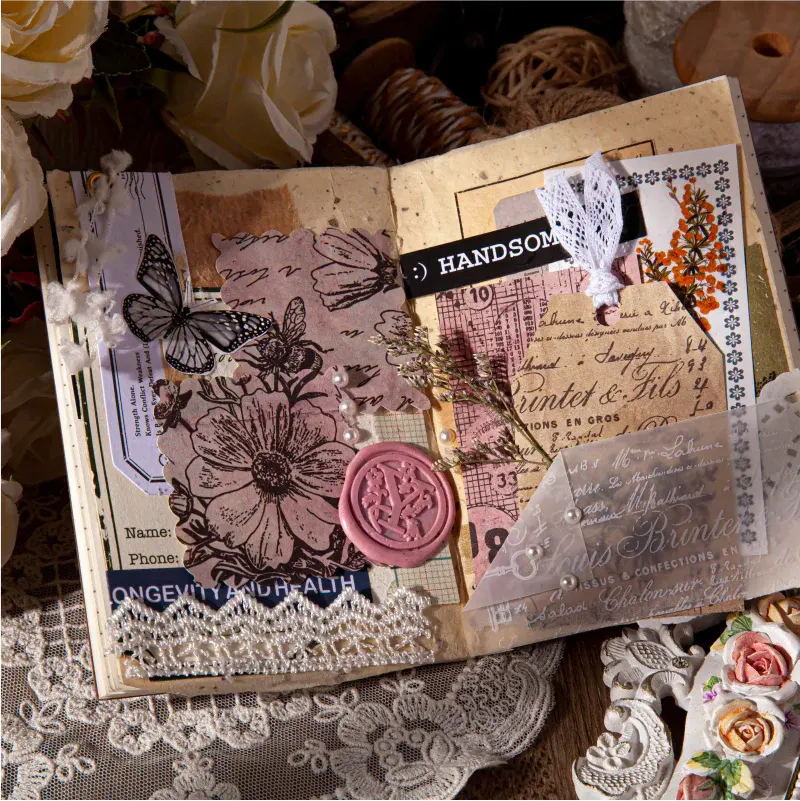
A scrapbook page combining authentic and reproduction vintage elements, hand-drawn floral illustrations, sepia-toned paper, old ticket stubs, lace trim, pressed flowers, and a wax seal. Many of these materials are inspired by Victorian and Edwardian stationery designs, which originated in Europe during the late 19th to early 20th century.
Lace is often handmade from cotton or linen, and wax seals were traditionally crafted using beeswax. Collecting genuine vintage paper items like postcards, handwritten letters, and botanical prints adds authenticity. Archival-quality adhesives and acid-free papers are important to preserve delicate materials from yellowing or deterioration.
9. Twine Binding
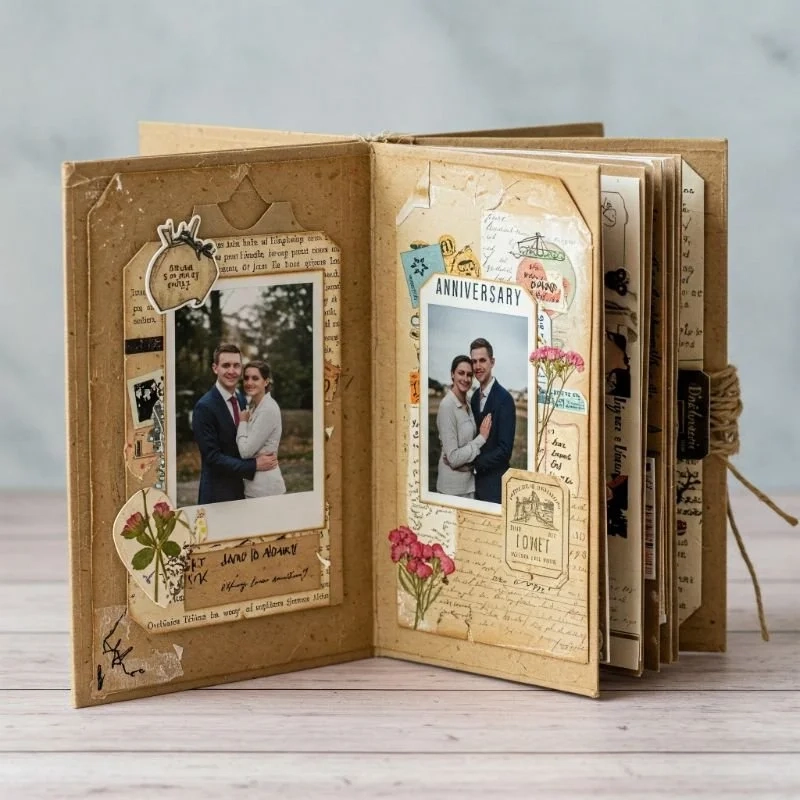
A handmade scrapbook using kraft paper and ephemera, small printed collectibles, tickets, stamps, or postcards. These crafts can also include Polaroid-style photos, washi tape, and hand-drawn calligraphy.
For authenticity, use acid-free paper to prevent photo damage, and source real vintage ephemera from antique shops or flea markets instead of modern replicas.
10. Mini Wooden Apothecary Chest

Authentic vintage projects might include restoring old trophies or teapots into planters, repurposing wooden drawers into storage units, or making garlands from fabric scraps. Items apothecary bottles, cotton stems, and copper kettles add historical charm. One popular approach is upcycling, turning items such as wicker baskets, old cameras, or metal figurines into functional or decorative pieces.
Silver-plated sugar bowls can be polished and reused as vases, and vintage spools can be turned into rustic stands. Studies in interior design trends reveal that incorporating vintage elements creates a sense of nostalgia and sustainability, as older items often possess superior craftsmanship compared to modern, mass-produced goods.
11. Halloween candy buckets

In the Irish legend of Stingy Jack, these decorative gourds were first carved in Ireland using turnips and potatoes. When Irish immigrants arrived in America, they discovered pumpkins worked better for carving and painting. Vintage Technique Popular designs included rosy-cheeked characters with exaggerated features, similar to folk art traditions.
The painted style became especially popular during the 1920s-1940s when carving tools were scarce during wartime. Traditional vintage pumpkin painting used chalk paint, tempera, or even house paint mixed with milk for adhesion. Crafters often sealed their work with shellac or wax.

The Halloween buckets in the image are classic examples, crafted from papier-mâché, a mixture of paper pulp and adhesive, a method with roots tracing back to ancient China. By the early 1900s, Germany and the United States became well-known for producing decorative papier-mâché holiday items, especially Halloween lanterns and candy containers.
These pieces often featured hand-painted, whimsical faces like pumpkins, black cats, or clowns, each symbolizing seasonal folklore.
13. Chocolate hand lollipops

These charming chocolate hand lollipops represent a nostalgic confectionery craft that peaked during the mid-20th century. Originally popularized in European candy-making traditions, particularly in Germany and Belgium around the 1930s-1950s, these treats were often called Schokoladenhände or simply hand chocolates.
The craft involves melting chocolate, typically milk or white chocolate varieties from Theobroma cacao, and pouring it into detailed hand-shaped molds. Clear glass or acrylic handles are inserted during the cooling process, creating whimsical lollipops that became party favorites and novelty gifts.
Use food-grade silicone molds for the best detail reproduction. Temperature control is crucial; chocolate should be tempered at 88-90°F for proper setting.
14. Tinsel wing angels
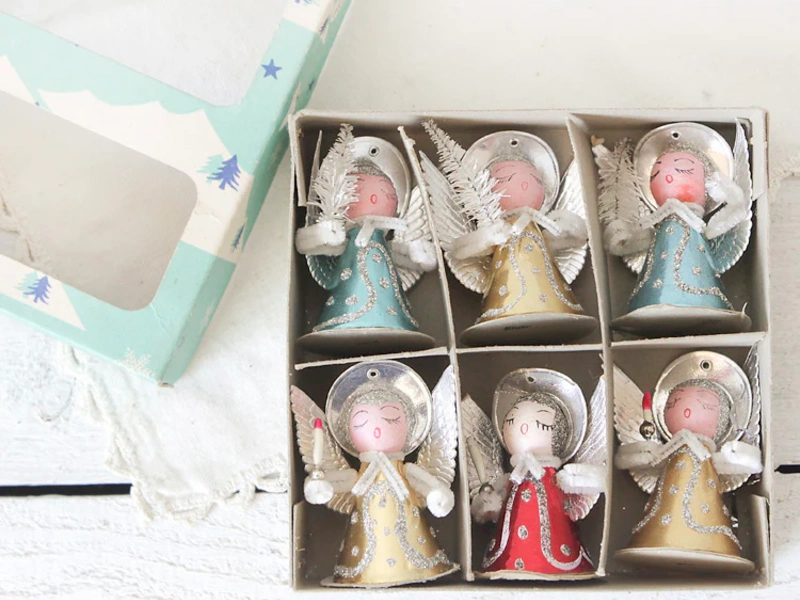
The technique combines spun cotton batting originally developed for medical use with chenille pipe cleaners and metallic tinsel to create miniature holiday figures. Women’s magazine Good Housekeeping featured DIY tutorials using readily available materials.
The pink-faced angels became symbols of hope and family togetherness during difficult times. Start with a cone-shaped chenille base, then wrap with colored felt or fabric scraps. Form the head using cotton batting dampened with diluted glue.
Silver tinsel wings are attached with tiny straight pins, and halos are made from thin wire loops.
15. Dried berries on branches

This rustic harvest arrangement represents traditional American folk crafting that emerged during the Colonial period. The technique combines basketry, dried botanicals, and seasonal elements rooted in European agricultural traditions brought by early settlers.
Wicker basket weaving originated from ancient techniques using willow branches; the cornucopia design stems from Greek mythology, symbolizing abundance.
The craft gained popularity during the Great Depression when families created decorative displays from available farm materials. Hand-woven splint baskets made from oak or ash strips. Dried wheat sheaves bundled with natural twine. Preserved autumn leaves using glycerin solution. Stoneware crocks repurposed as vases. Pip berries replacing expensive fresh florals.
16. Pink strawflowers

Strawflower crafting became a beloved American pastime during the Victorian era (1837-1901) when dried flower arrangements symbolized eternal love and remembrance. These Australian native flowers were introduced to European gardens in the 1850s and quickly became essential for winter decorating. The craft peaked during the Great Depression when families grew strawflowers specifically for year-round home decoration.
Women’s clubs organized everlasting flower workshops, teaching proper harvesting techniques that remain unchanged today. Cut flowers just before full bloom on dry mornings. Remove leaves and hang upside down in dark, well-ventilated spaces for 2-3 weeks. The papery bracts naturally retain vibrant colors without chemical treatments.
17. Egg-Shaped Candle Making
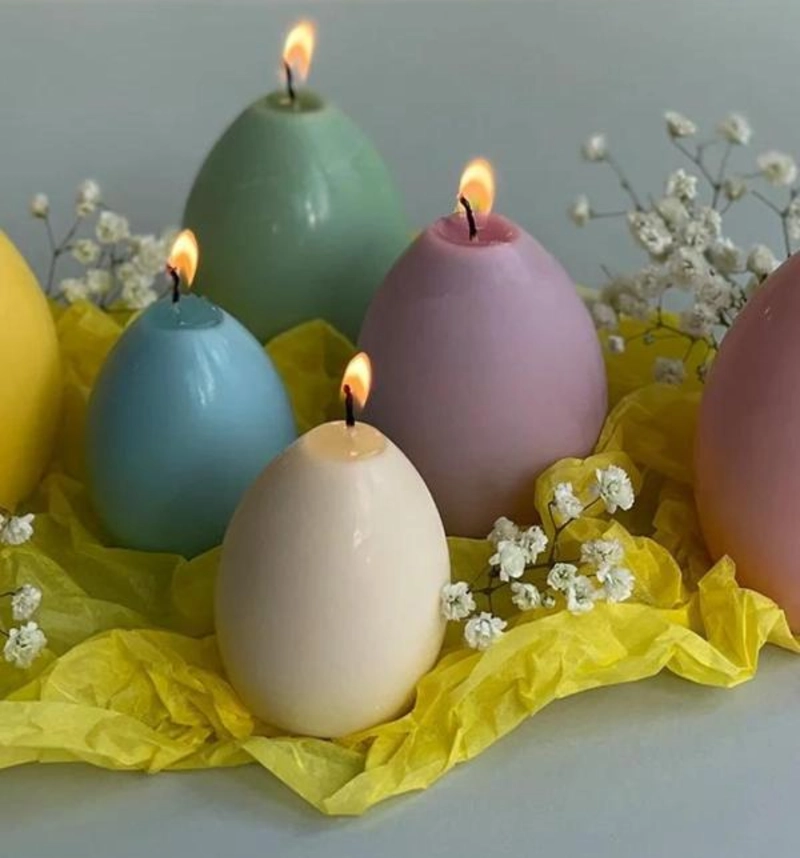
Egg candles emerged as a popular Easter craft during the 1960s American crafting boom, though the technique traces back to medieval European monasteries, where monks created symbolic candles for religious ceremonies. The oval shape represents rebirth and renewal, making these candles suitable for spring celebrations. Traditional egg candle molds were carved from wood or cast in plaster of Paris.
Modern crafters often use plastic Easter eggs as impromptu molds, though authentic vintage results require proper candle-making supplies. Use paraffin wax mixed with stearin 10% ratio for proper hardness. Heat wax to 185°F and add powdered or liquid candle dyes. Pour into greased molds with wicks.
18. Giant Paper Flower Making

Large-scale paper flower crafting originated in Mexico during the 1930s as flores de papel for Day of the Dead celebrations, but gained American popularity through 1950s wedding decorations when fresh flowers were expensive.
The technique exploded during the 1960s hippie movement when handmade decorations symbolized creativity over commercialism. Traditional methods used crepe paper imported from Italy, valued for its stretch and texture.
Mexican artisans developed the layered petal technique still used today, creating flowers up to three feet across.
19. Decoupage and Mixed Media Crafting

Decoupage originated in France as découper, to cut out, where artisans applied paper cutouts to furniture and decorative objects, then sealed them with multiple varnish layers. The cornucopia motif traces back to ancient Greek mythology, symbolizing abundance and harvest.
Victorian crafters popularized botanical decoupage using chromolithograph prints, mass-produced colored illustrations that made decorative imagery accessible to middle-class households.
20. Memory Keeping and Shadow Box Displays

This nostalgic arrangement represents memory keeping, a Victorian tradition that began around 1840 when photography became accessible to middle-class families. The practice involved preserving family mementos in decorative displays, often called shadow boxes or memory bowls.
The wooden dough bowl serves as the foundation, originally used for bread-making but repurposed during the Great Depression when families displayed treasured items in practical containers.
Baby shoes were commonly bronzed or preserved as keepsakes, a custom that peaked in the 1950s when companies like American Bronzing offered mail-order services.
21. Christmas Village Houses and Napkin Candles

The miniature house reflects the Christmas village trend that began in the 1930s with German-made Putz houses, becoming widely popular after WWII when American families created elaborate holiday displays.
The napkin-covered candle is a 1960s technique called decoupage candle rolling, where printed paper napkins were applied to plain pillar candles using diluted white glue.
This craft peaked during the craft boom of 1965-1975, featured heavily in magazines like McCall’s Needlework & Crafts.
22. Plastic Bottle Upcycling and Container Gardening
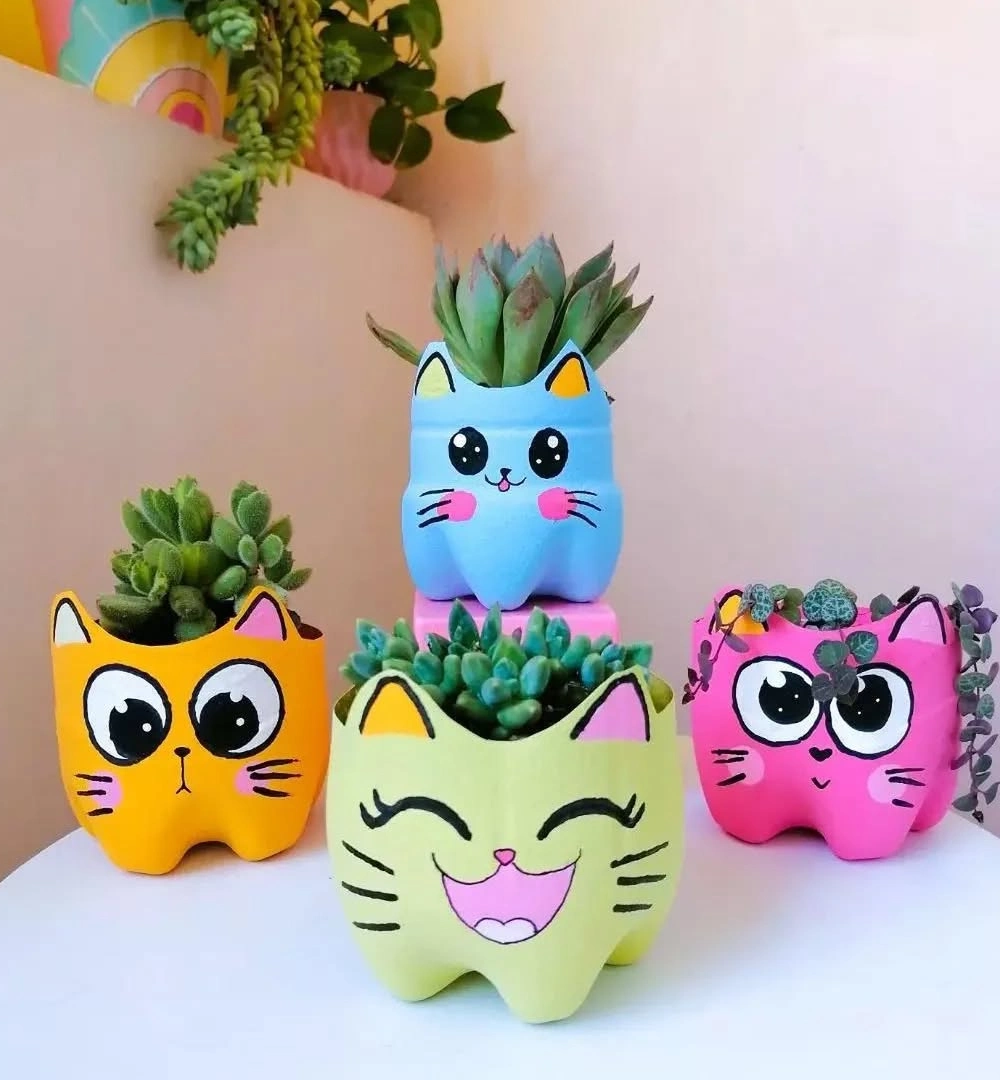
These whimsical planters represent the upcycling movement that emerged during the 1970s environmental awareness era, though the practice traces back to Depression-era resourcefulness when families repurposed every available material. The technique gained momentum through Earth Day 1970 celebrations when crafters began to create waste into functional art.
Plastic bottle crafting was specifically developed after polyethylene terephthalate bottles became widespread in the 1980s. The kawaii-style faces reflect Japanese cute culture influence that entered American crafting through imported character goods in the 1990s.
23. Hand-Painted China and Victorian Decorative Arts
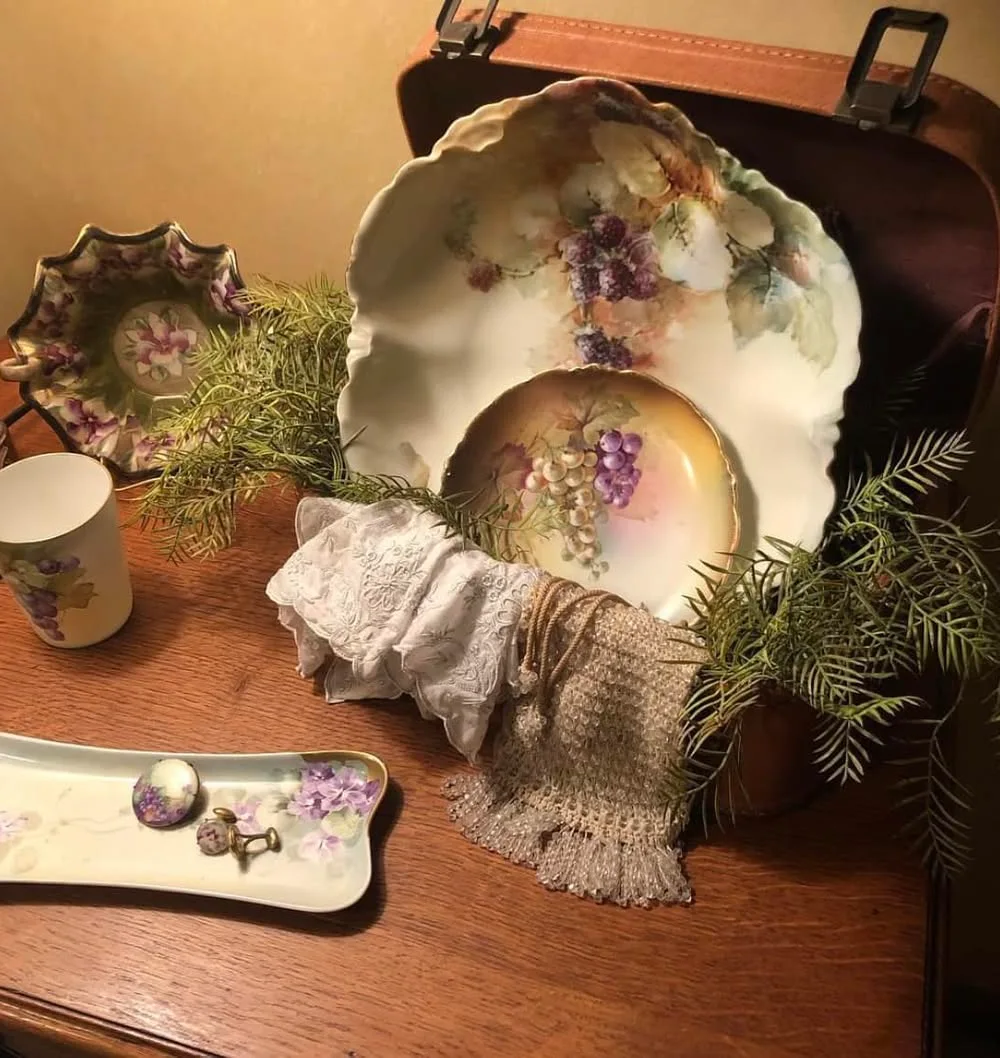
This collection of china painting, a refined Victorian craft that peaked between 1870-1920, when middle-class women attended painting parties to decorate blank porcelain pieces. The technique originated in European porcelain factories but became democratized when the company Haviland began selling undecorated blanks to amateur artists.
The grape motif reflects the Victorian language of flowers, where grapes symbolized abundance and hospitality. Popular included violets, roses, and fruit clusters, painted with specialized china paints that required kiln firing at 1400°F.
Artists used mineral-based china paints mixed with oils, applied in thin layers called fires. The scalloped edges were hand-traced using gold paste applied with fine brushes.
24. Traditional Mediterranean Pottery and Ceramic Arts
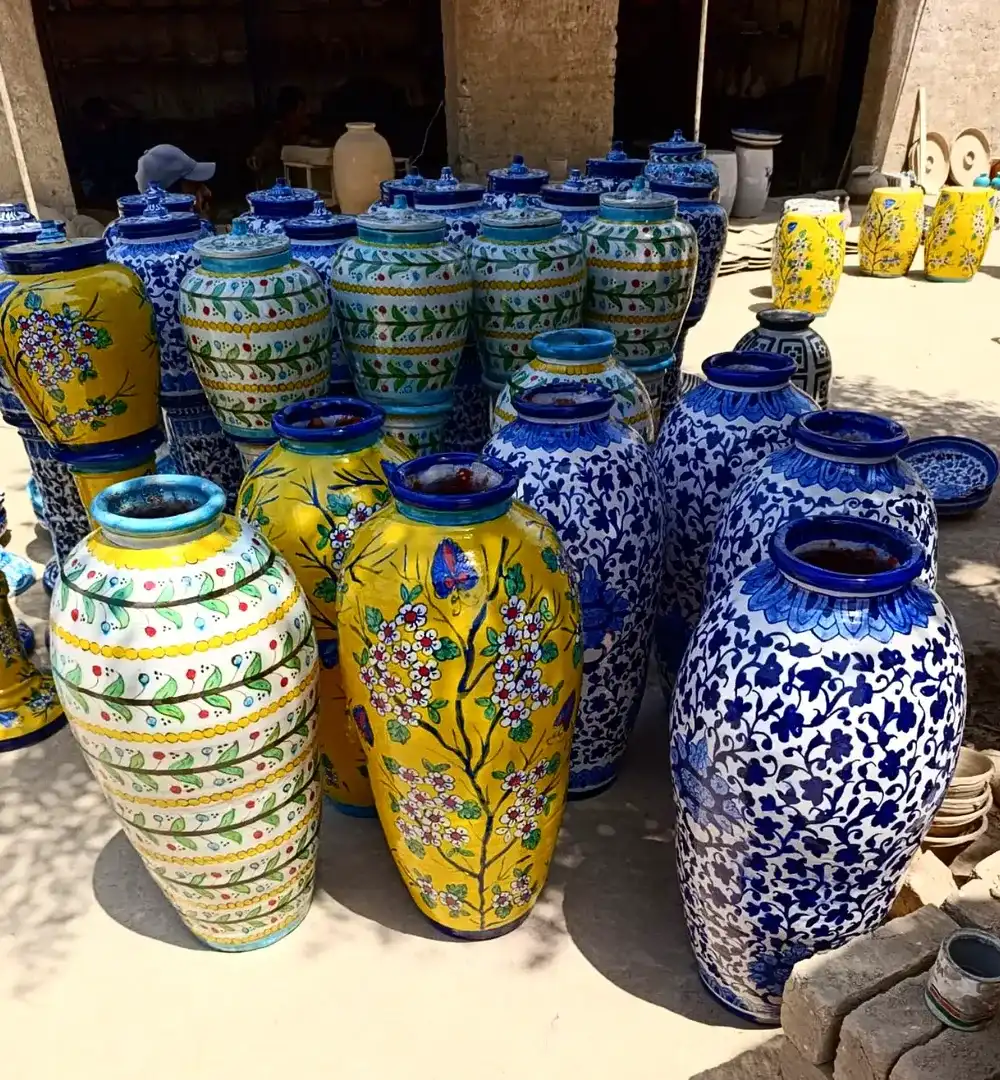
These hand-painted ceramics represent ancient Mediterranean pottery traditions dating back to 3000 BCE, with techniques refined through Islamic, Byzantine, and European influences. The blue and white patterns echo Chinese porcelain styles that reached the Middle East via Silk Road trade routes in the 14th century.
Yellow pieces, traditional Persian and Turkish floral motifs, and the intricate blue designs reflect Iznik pottery traditions from Ottoman Turkey, 1400s-1700s. These were painted using cobalt oxide for blues and antimony for yellows, fired at temperatures reaching 1800°F.
25. Primitive Christmas Folk Arts and Bottle Brush Trees
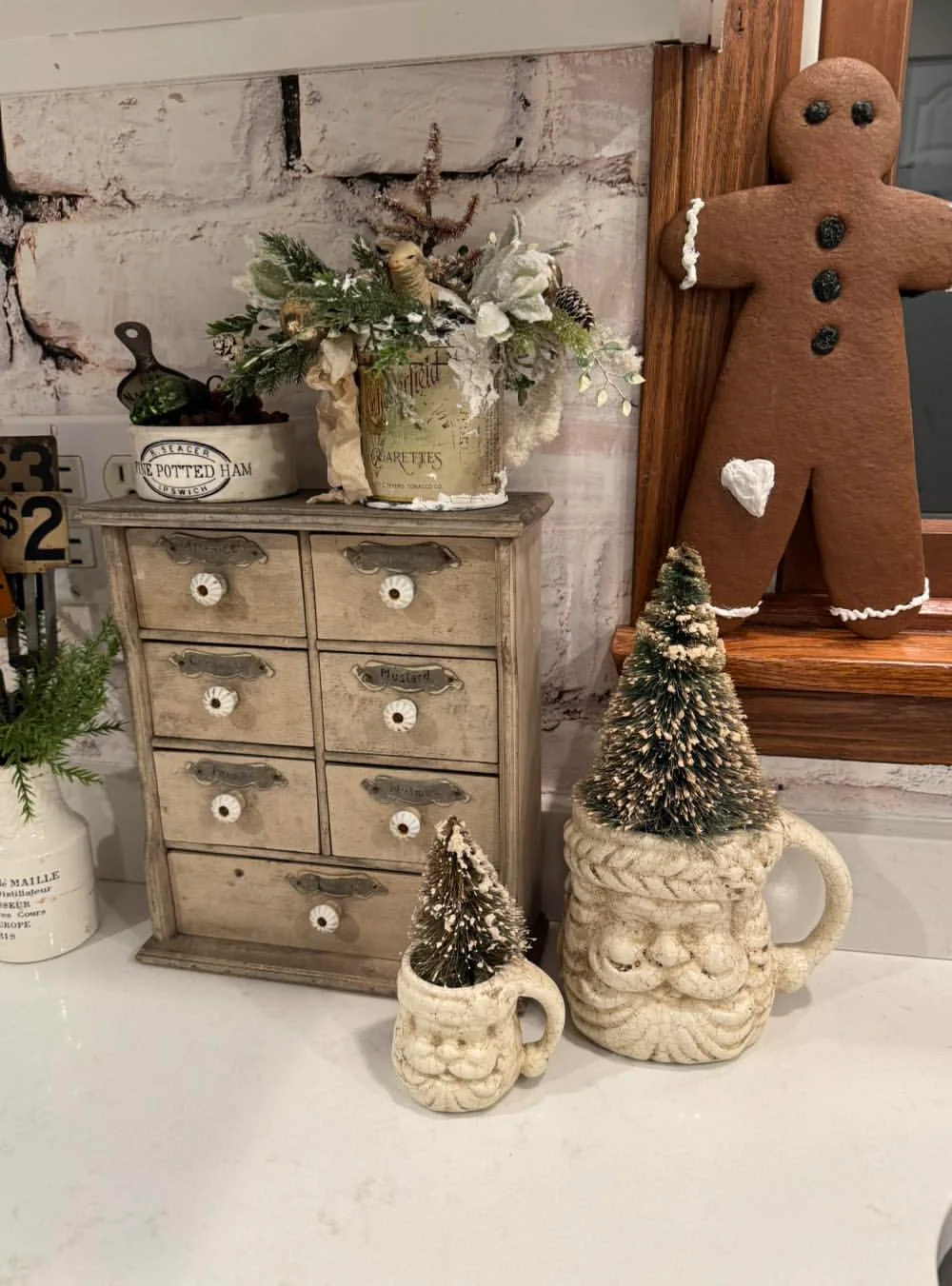
The oversized gingerbread figure represents primitive doll making, a tradition where rural crafters created simple toys using available materials felt, cotton batting, and basic stitching. These Putz trees became essential for American Christmas villages after WWII, when families created elaborate holiday scenes.
The aged apothecary chest reflects distressed furniture techniques popular in folk art, achieved through strategic sanding, tea staining, and milk paint applications. Vintage labels were often handwritten with period-appropriate fonts.
Age new felt with coffee or tea baths for authentic coloring. Use button thread for primitive stitching; it’s stronger and more period-accurate.
26. Book Stack Lamps and Industrial Upcycling

This lamp represents the upcycling movement that gained momentum during the 1970s counterculture era, when crafters began to recycle discarded items into functional art. The technique specifically emerged from college dormitory innovations where students created lighting from available materials, primarily textbooks and industrial fixtures.
The wire cage shade reflects authentic industrial design from the 1920s-1940s, originally used in factories to protect bulbs from damage. Drill through book centers using a spade bit, creating a channel for the electrical cord.
Stack books by size for stability, securing with threaded rod or lamp kit hardware. Original crafters often used discarded textbooks from library sales or college bookstore clearances.
27. Easter Egg Dioramas and Victorian Sugar Eggs

The decorative egg represents a Victorian Easter tradition that began in the 1860s when confectioners created panorama eggs, hollow sugar shells containing miniature scenes. The technique originated in European confectionery shops where skilled sugar artists created intricate dioramas inside chocolate or sugar eggs.
American crafters adapted this using chicken eggs, carefully removing contents through small holes, then creating scenes inside the shells. Blow out egg contents through pinhole openings, then reinforce shells with diluted white glue.
Create miniature scenes using cotton batting for grass, tiny artificial flowers, and small figurines. The sparkled rim was achieved using crushed glass or mica flakes mixed with egg white as adhesive.
28. Jute Rope Bottle Crafts

Arrangement boho crafting that emerged during the 1960s hippie movement, when natural materials became symbols of environmental consciousness and rejection of mass-produced goods. The technique combines dried palm fronds with jute rope wrapping, both materials traditionally used in maritime and agricultural applications.
Jute rope crafting originated from Bengal, where Corchorus plant fibers were processed into strong cordage. The practice of wrapping bottles with natural fibers began as practical protection for glass vessels during shipping, and was later adopted by crafters for decorative purposes.
Start wrapping jute at the bottle base, securing with hot glue or strong adhesive. Work upward in tight coils, maintaining even tension. The pleated palm elements are created by folding dried fronds accordion-style, then securing with wire or twine.
29. Sock Puppet Making
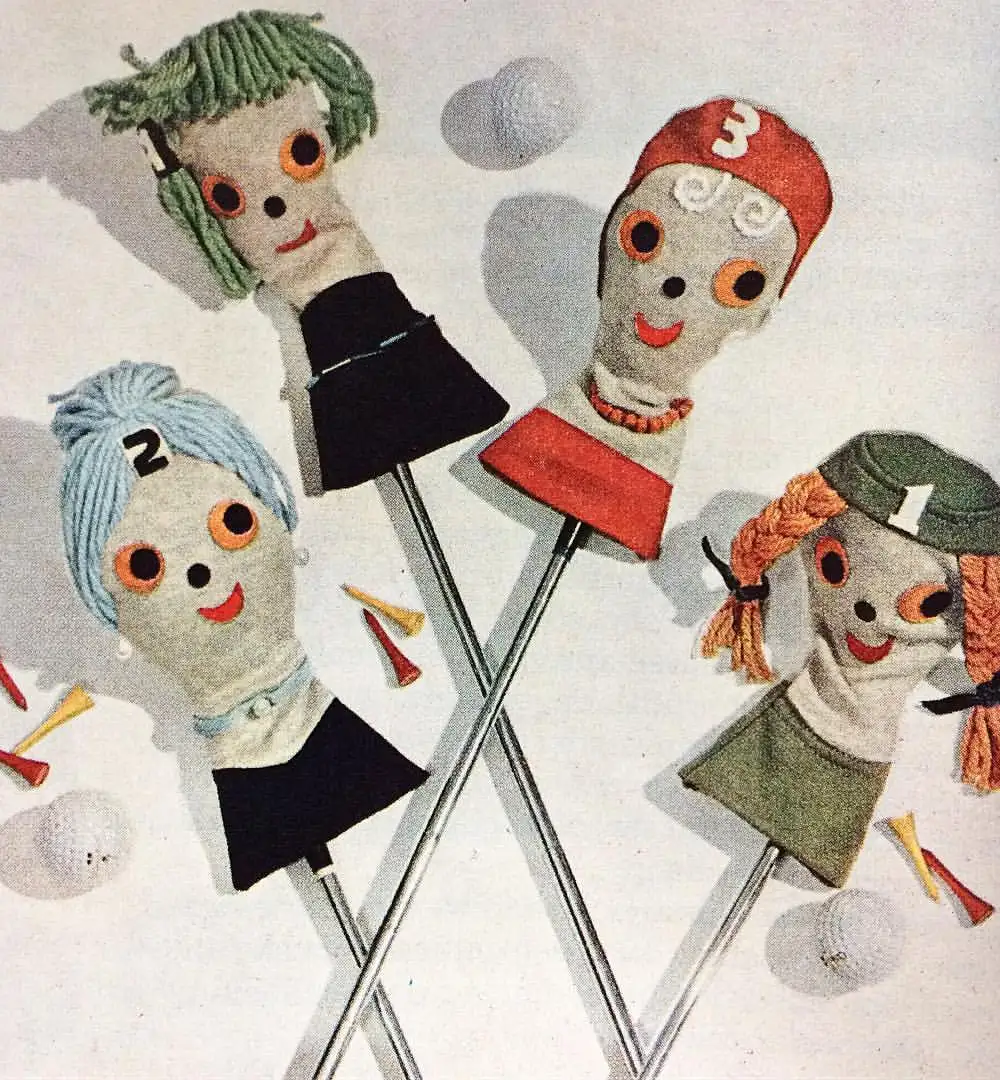
These sock puppets represent a beloved American craft tradition that peaked during the 1950s-1960s when television Howdy Doody and Kukla, Fran and Ollie made puppetry mainstream entertainment. The craft originated from necessity during the Great Depression when families created toys from worn-out clothing items.
Traditional sock puppets used cotton tube socks, readily available and affordable. The technique involves stuffing the toe area to create a head, then adding felt features and yarn hair. This particular style reflects mid-century design with its bold colors and simple geometric shapes.
30. Shabby Chic Paper Butterfly

The collection represents shabby chic paper crafting that originated in the 1980s through Rachel Ashwell’s furniture restoration movement. The technique combines Victorian-era butterfly motifs with distressed finishing methods, creating romantic vintage aesthetics popular in cottage-style decorating.
The butterfly imagery draws from the Victorian lepidoptera fever of the 1800s, when naturalist collecting became fashionable. Scientific specimens of Lepidoptera species were pressed, framed, and displayed in proper Victorian homes, inspiring decorative arts that continue today.
31. Halloween Party Favor Cones

These decorative Halloween cones represent American party crafting traditions from the 1920s-1940s, when elaborate home celebrations became fashionable. The technique originated from Victorian fancy work, where ladies created ornate paper decorations for social gatherings, evolving into mass party culture during the Jazz Age.
Crepe paper manufacturing began in England around 1856, but American companies Dennison Manufacturing, popularized colored crepe for party decorations by 1900. The ruffled edges shown here are created using traditional gathering techniques where crepe paper’s natural stretch is manipulated.
32. Musical Sheet Ornaments

Sheet music ornaments became popular during this era when piano ownership peaked in middle-class homes, making discarded or damaged music sheets readily available for crafting. The technique reflects parlor crafts, decorative arts practiced by Victorian ladies during social gatherings.
Music-themed decorations symbolized cultural refinement and family accomplishment, particularly important in households where musical education demonstrated social status. Use genuine vintage sheet music or aged reproductions for authenticity.
Small ornate frames were often salvaged from broken jewelry boxes, picture frames, or purchased from notions stores. Traditional crafters attached ribbon hangers using small tacks or glue made from flour and water.
33. Portrait Miniature and Victorian Memory

Portrait miniatures were especially popular during the Civil War era when families created memorial ornaments for departed soldiers. The botanical reflects Victorian language of flowers symbolism, where specific plants conveyed emotional messages, dandelions represented wishes and faithfulness.
Victorian crafters used tintype photographs, cabinet cards, or hand-painted miniatures on ivory. Frames were often repurposed from broken jewelry or purchased from notions stores. Pearl trim was applied using fish glue or egg white adhesive, techniques borrowed from millinery arts.
34. Rustic Memory Boards
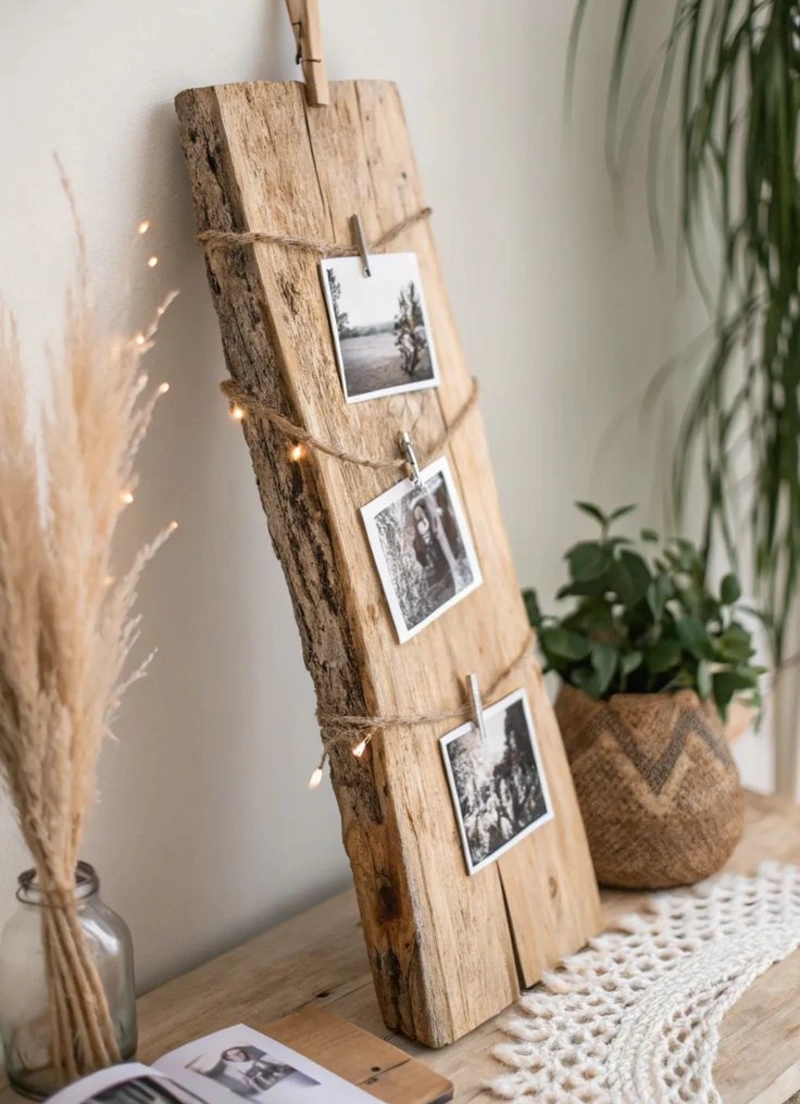
Rustic represents found object crafting that gained popularity during the Great Depression when families repurposed natural materials for home decoration. The technique evolved from maritime communities where driftwood was commonly used for practical household items due to its durability and salt-resistant properties.
Driftwood crafting specifically emerged along American coastlines where storms regularly deposited seasoned wood pieces. Coastal families discovered that salt-bleached driftwood of various species, typically pine, cedar, or oak, created attractive, naturally distressed surfaces for displaying family photographs.
35. Miniature Garden Crafting

The whimsical fairy house represents miniature garden crafting that originated in Victorian England during the 1860s, when fairy gardens became popular in wealthy estate gardens. The craft gained American popularity through 1920s children’s literature featuring fairy tales, particularly after Disney’s influence in the 1930s.
Traditional fairy houses used natural materials bark, twigs, acorns, and moss. The layered paper shingles reflect modern adaptations using construction paper or cardstock, though authentic versions employed pressed leaves or bark pieces.
36. Paper Collage Art

Start with wooden blocks or cardboard forms. Apply torn book pages or foreign language newspapers using diluted white glue. Paint architectural details with acrylics while the paper is still slightly damp for subtle blending effects.
Miniature houses represent mixed media collage techniques that emerged during the 1920s Dadaist art movement, when artists began incorporating newspaper and found materials into artwork.
The craft gained domestic popularity during the Great Depression when families created decorative items from readily available materials old books and newspapers.
37. Nature Study Needlework

Traditional pieces used silk floss on linen fabric, employing satin stitch for mushroom caps, stem stitch for stalks, and French knots for texture details. The dimensional effect was achieved through varying thread weights and strategic padding beneath stitches. Use natural linen or cotton fabrics for period authenticity.
Study real specimens or botanical illustrations for accurate proportions. Layer stitches from background to foreground for realistic depth. Stretch work in wooden hoops to maintain even tension.
This craft experienced revival during the 1970s environmental movement when handmade arts reconnected people with nature, making botanical embroidery popular among back-to-the-land enthusiasts seeking meaningful, meditative crafts.
38. Rope Wrapping Crafts
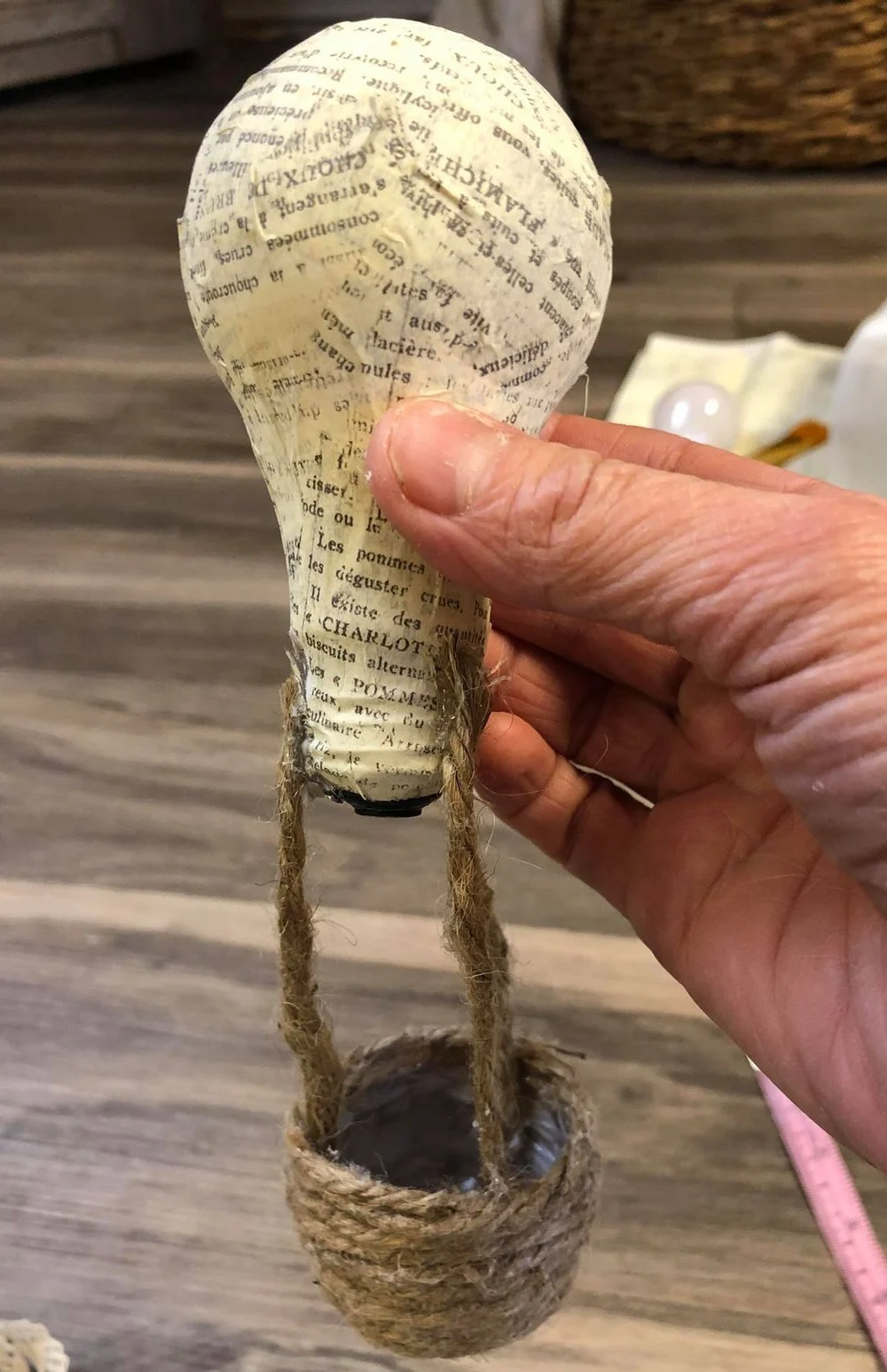
Tear newspaper into strips rather than cutting for better adhesion. Create a paste using flour and water 3:1 ratio or diluted white glue. Build forms over balloons or wire armatures. The rope base uses natural jute or hemp Cannabis sativa fibers coiled and secured with heavy thread.
Use foreign language newspapers for an authentic vintage appearance. Apply thin, overlapping layers to prevent cracking. Allow complete drying between layers for 24-48 hours. Sand lightly between coats for smooth finishes.
This combination technique peaked during WWII when rationing made commercial decorations scarce. Women’s magazines featured similar projects using available materials, making functional art from wartime necessity.
39. Aboriginal-Inspired Folk Art

This dotted vessel reflects dot painting techniques that originated with Australian Aboriginal peoples over 40,000 years ago, using natural pigments to create ceremonial and storytelling artwork. The craft entered Western decorative arts during the 1960s when Australian Aboriginal art gained international recognition, inspiring pottery decoration worldwide.
The specific dotting technique became popular in American folk art circles during the 1970s-1980s when ethnic crafts experienced a revival. Use ceramic bisqueware or pre-fired pottery as a base.
Apply dots using wooden stylus tools, cotton swabs, or traditional brush handles dipped in ceramic glazes. Work in concentric circles or radiating, maintaining consistent dot sizes and spacing.
