
Are you planning to use your home garden for social activities? Don’t let weeds ruin it! Weeds are more than eyesores. These unwanted guests won’t stop unless they take over your lawn. Once these cunning thieves creep in, they deny your beautiful grass water, sunlight, and other vital nutrients.
But don’t panic, reverse the damage and restore your weed-free lawn through these 7 simple and cutting-edge tactics!
Weed Infestation Overview
Typically, you won’t buy and sow weed seeds. However, they can find their way to your lawn through various techniques. This includes contaminated gardening equipment, wind dispersal, and animal activity. Their undesired presence, versatile nature, and rapid growth and spread make their removal complex.
Weeds come in various forms, including:
1. Dandelions: A flowering weed known for its bright yellow flowers and fluffy seed heads.
2. Crabgrass: A short type of grass that grows in dense mats and thin patches.
3. Creeping Charlie: A ground-hugging weed that stands out with its round leaves and tubular purple flowers.
7 Tactics to Maintain a Weed-Free Lawn
Weed removal seems daunting, especially in the case of infestations, but it isn’t impossible. It’s always better to address weaker weeds before they establish their roots. However, established weeds aren’t something to settle for. Here’s what you should do to get rid of persistent weeds:
1- Soil Identification

Soil testing or identification means knowing the main soil characteristics. This includes identifying its pH levels, texture, and composition. Such knowledge helps you pick the ideal plants, fertilization methods, and watering practices. Use a home soil testing kit or send a soil sample to the local County Extension Office.
2- Setting Boundaries
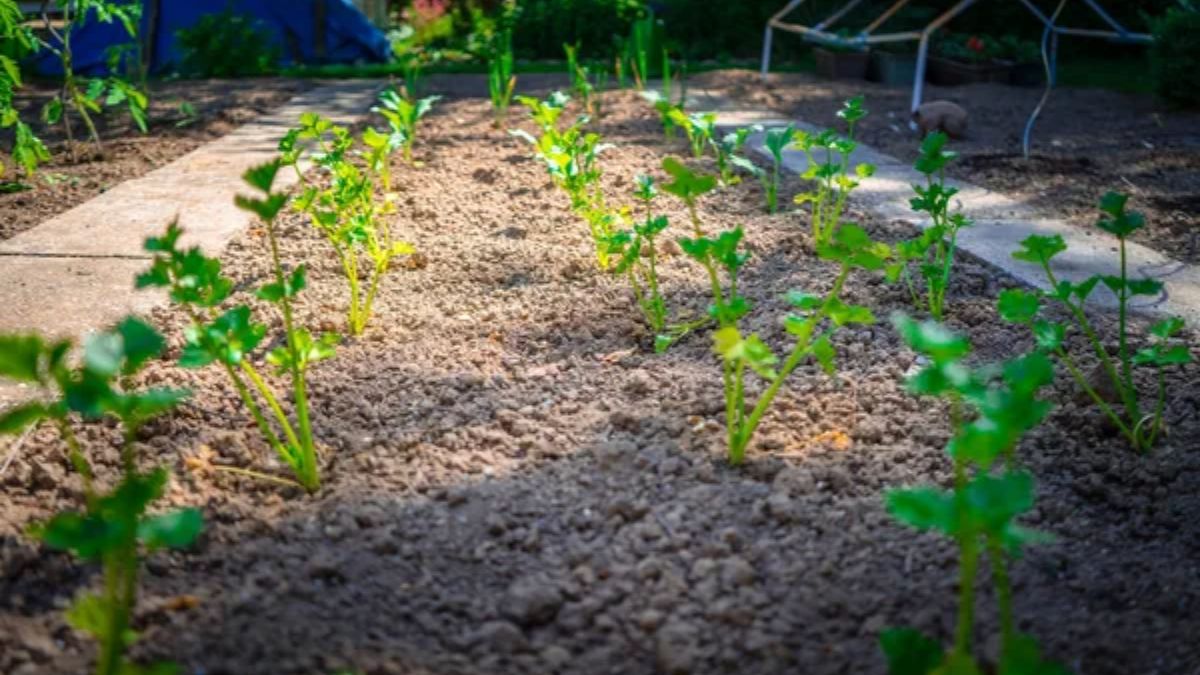
Garden beds attract weeds with their rich nutrients and better soil conditions. Weeds use these beds to grow and germinate. Therefore, setting limits between these beds and the rest of your lawn is recommended. You can use different methods to do this. For instance, you can install metal edges, use decorations like pea gravel, and create natural borders with low-growing shrubs.
3- Mulching

Mulching is the process of covering your lawn with a protective layer. But mulching isn’t about any random covering. The protective layer consists of organic matter, like straw, compost, or wood chips. Proper mulching controls weed infestations by blocking natural light and improving moisture retention. Ideally, you should apply around 2 inches of the chosen material on your garden beds or around your plants to control an existing weed problem.
4- Organic Herbicides

Organic herbicides are made of natural ingredients with minimal to no chemicals. These herbicides rely on mineral or plant-based components, such as vinegar, corn gluten meal, or essential and citrus oils. The best thing about these eco-friendly herbicides is that they stop the rapid growth of weeds without harming surrounding plants or disrupting the soil balance. Also, some of these green herbicides are more affordable than chemical ones. In some cases, you can DIY prepare many herbicides at home by diluting concentrated oils or mixing a few ingredients.
5- Dethatching

Dethatching means removing thatch from your lawn. Thatch is a type of buildup between the grass blades and garden soil. This buildup consists of dead grass and organic matter. Improper lawn care practices, like irregular mowing and overfertilization, cause this unwanted accumulation. A dense hatch layer obstructs proper airflow into the soil and nutrient penetration. This creates an ideal environment for pests and weeds. Depending on your lawn’s space, you can dethatch using a manual or an electric rake. Power rakes usually come attached to lawn tractors.
6- Use Landscape Covers

This technique relies on placing a black plastic sheet or another landscaping cover over the soil. This can prevent further germination and infestation and kill existing weeds. But you need to use it wisely to avoid harming your plants and depriving them of crucial nutrients. So, don’t count on prolonged use and pick a breathable material. Landscape covers prevent sunlight from reaching the weeds. Subsequently, they will die. However, you should regularly check underneath the cover to remove dead weeds and any that breach the cover. The best place to spread these covers is over paths, decorative edging, and plant-free areas.
7- Plant Rotation

Each season, you should change the type of your growing crops or plants. Embracing this change makes your garden beds or fields healthier and resistant to weed growth. Each plant alters the soil differently. For example, peas and other legumes increase the presence of nitrogen in the soil. Conversely, root plants, like potatoes or carrots, loosen compacted soil. Such inconsistency in soil conditions disrupts weed life cycles and may eliminate their growth opportunities.
