On a map of South America, Uruguay is easy to overlook. It sits between two enormous neighbors, Brazil and Argentina, with a population of only about 3.5 million people. Yet this small country has become an appealing retirement destination for Americans looking for stability, coastal living, and a quieter way of life.
What makes Uruguay unusual is not simply its small population. The country has fertile farmland, beautiful beaches, modern cities, and a long history of democratic government. Still, large parts of its countryside remain sparsely populated, while much of its economic and cultural life is concentrated around one city.
For retirees, that combination raises an interesting question. Why does a country with so much usable land have so few residents, and what makes it attractive to people leaving the United States?
Uruguay Is Much Bigger Than Most People Realize
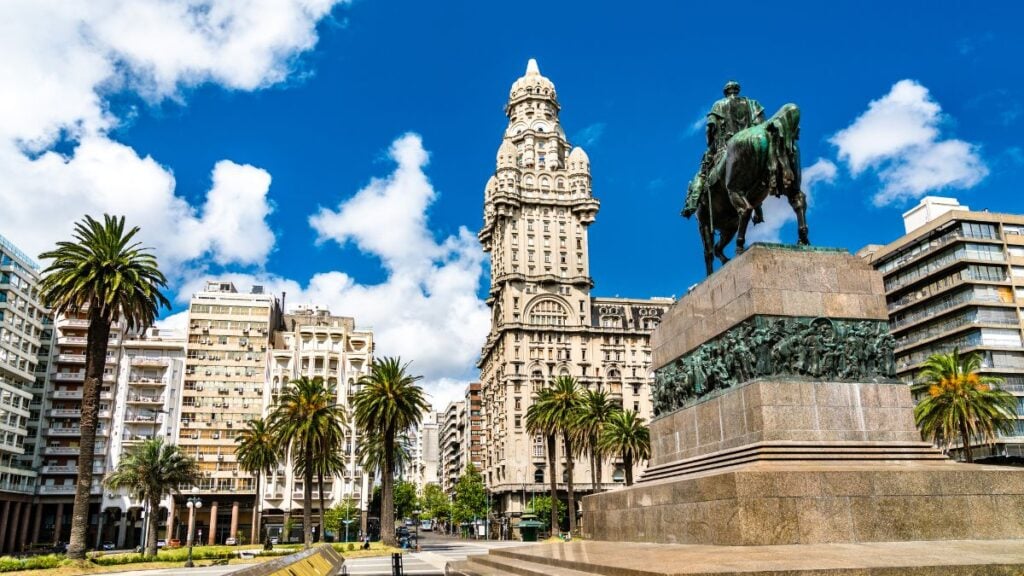
Uruguay covers approximately 176,000 square kilometers, making it larger than England, Greece, or Cuba. Much of the country consists of rolling grasslands, productive farms, rivers, and coastal communities. Unlike many parts of South America, it has no enormous mountain range or tropical rainforest dividing the country.
Yet Uruguay’s 2023 census counted approximately 3.5 million residents. Montevideo, the capital, accounts for roughly 1.3 million people, while its surrounding metropolitan area adds hundreds of thousands more. This leaves much of the national population concentrated along the southern coast.
Travel into the interior, and the landscape changes considerably. Large cattle ranches, small towns, farmland, and open countryside replace crowded neighborhoods and apartment buildings. Some rural areas have relatively few residents despite supporting major agricultural businesses.
The surprising part is that Uruguay’s low population is not mainly caused by uninhabitable land. Its settlement patterns developed through economic decisions, historical events, and demographic changes that continue to influence the country today.
How Montevideo Became the Center of Everything
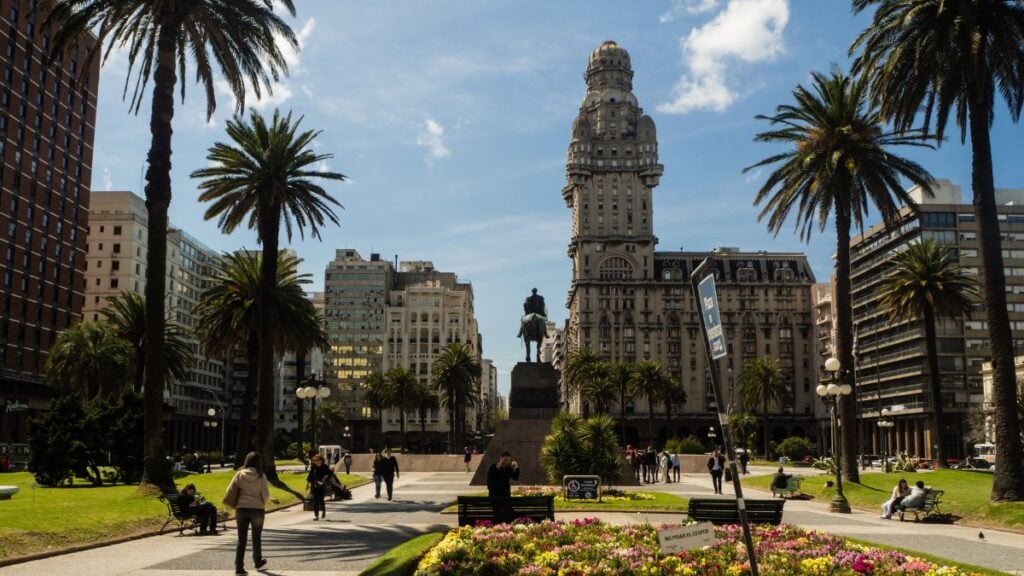
Uruguay’s population story begins with Montevideo’s location on the Río de la Plata. During the colonial period, Spanish and Portuguese interests competed for control of this strategically important region. Its harbor offered access to Atlantic shipping routes and international trade.
After Uruguay became independent in 1828, Montevideo developed into the country’s leading commercial and political center. Government offices, banks, ports, universities, and major businesses became concentrated around the capital. Roads and railway connections helped move goods between the interior and Montevideo.
When European immigrants arrived during the nineteenth and early twentieth centuries, many settled in or near the capital. Spanish and Italian immigrants were particularly influential in shaping the country’s urban culture. Montevideo offered employment, education, and services that smaller communities often could not provide.
That concentration continued across generations. Young adults from rural towns frequently moved toward the capital for better employment and educational opportunities. Over time, the country’s economic center became increasingly difficult for other cities to challenge.
The Cattle Industry Explains Much of the Empty Countryside
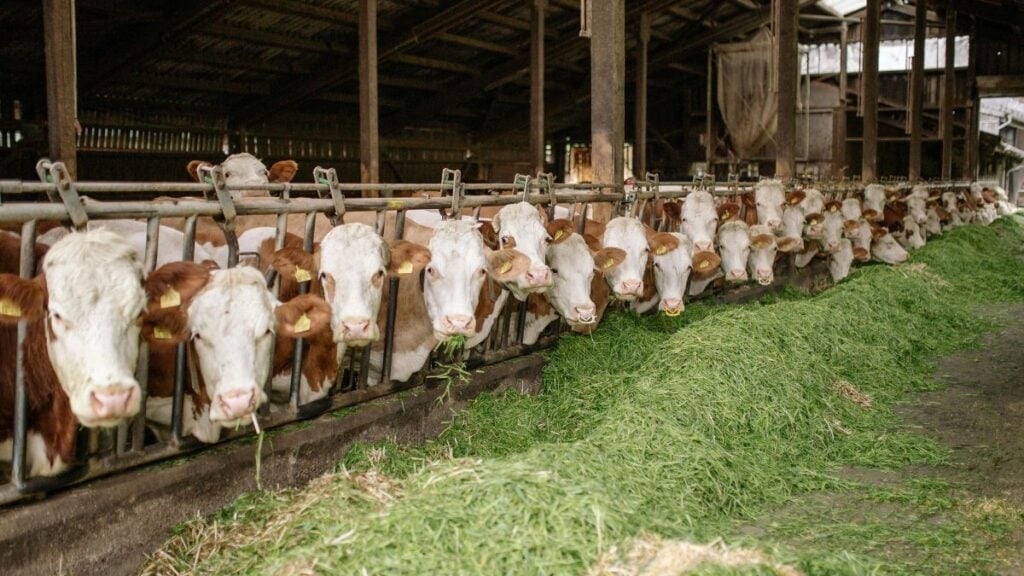
Uruguay’s grasslands are particularly well suited to raising cattle. Ranching became one of the country’s defining industries, shaping landownership, exports, and settlement patterns for centuries. Large rural properties could produce considerable agricultural value without supporting large towns.
Modern Uruguay has roughly 12 million cattle, compared with about 3.5 million people. That means cattle outnumber residents by more than three to one. Few statistics illustrate the country’s agricultural identity more clearly.
Unlike industries that concentrate thousands of workers in factories, cattle production can operate across enormous areas with relatively small workforces.
Machinery, transportation improvements, and modern agricultural methods have reduced some labor requirements further. This helps explain why productive land does not always attract dense settlement.
The countryside is not completely empty, and Uruguay also has important dairy, forestry, agricultural, and manufacturing activities. However, the economic structure of its interior has never required the same population density found in major industrial regions.
For retirees interested in rural surroundings, this history helps explain the country’s wide-open landscapes.
Uruguay’s Population Started Aging Earlier Than Its Neighbors

Another explanation comes from changes in family life. Uruguay experienced falling birth rates relatively early compared with much of Latin America. Urbanization, education, social reforms, and changing household expectations all contributed to smaller families.
During the twentieth century, Uruguay developed public education, social protections, and relatively progressive laws. As living standards and social conditions changed, families increasingly chose to have fewer children. Population growth gradually slowed as a result.
Today, Uruguay faces many demographic pressures familiar to developed countries. Its population is aging, births are low, and deaths have exceeded births in recent years. These trends mean the country is not experiencing the rapid population growth seen in many parts of the world.
Migration has also affected its population. During periods of political instability or economic difficulty, Uruguayans have moved abroad in search of employment and opportunity. Argentina, Spain, Brazil, and the United States have all attracted Uruguayan emigrants.
Together, low birth rates, an aging population, and emigration help explain why Uruguay has remained relatively small. The country continues to attract immigrants, but its long-term population outlook remains closely tied to these demographic changes.
Why Uruguay Appeals to American Retirees
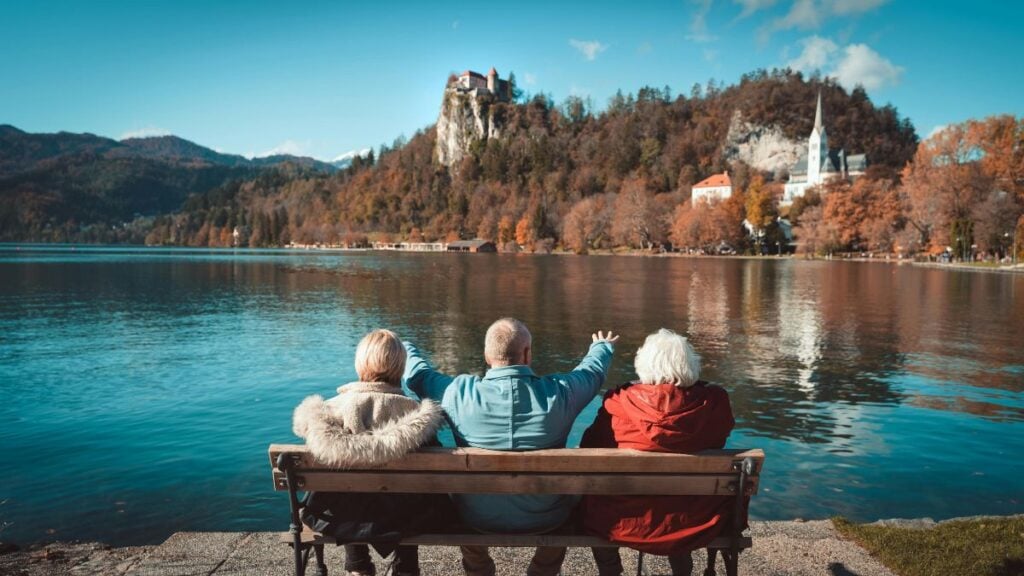
For retirees considering another country, a low population alone is rarely enough to justify moving. Healthcare, personal safety, political stability, transportation, and everyday comfort often matter more. Uruguay offers a combination of qualities that appeals to people seeking a relatively predictable environment.
The country has established democratic institutions, a functioning banking sector, and an extensive system of public services. Its urban centers also offer restaurants, cultural activities, shopping, and modern communications. Retirees do not necessarily have to choose between a quiet lifestyle and access to city conveniences.
Another attraction is Uruguay’s coastal culture. Residents often enjoy afternoon conversations, shared meals, neighborhood cafes, and evening walks along the waterfront. These ordinary routines can feel particularly appealing to someone leaving a demanding working life.
However, Uruguay is not perfect, and its reputation for stability should not be confused with an absence of problems. Crime, expensive consumer goods, bureaucracy, and healthcare access can create challenges. Retirees benefit most when they compare the attractive lifestyle with the practical realities of living there.
Montevideo Offers City Convenience With Waterfront Living
Montevideo is often the starting point for Americans considering retirement in Uruguay. The capital offers hospitals, shopping centers, cultural events, public transportation, and established residential neighborhoods. It also has a long waterfront promenade known as the Rambla.
Pocitos is one of the neighborhoods that attracts international residents. Its apartment buildings, restaurants, beachfront walking areas, and local shops provide a convenient urban lifestyle. Retirees who enjoy walking, dining out, and staying close to services may appreciate the neighborhood.
Carrasco provides a different atmosphere. It has attractive residential streets, larger homes, green spaces, and a more suburban character. Although housing costs can be higher, the area appeals to people seeking additional space and a quieter setting.
Montevideo also offers the largest concentration of specialized medical services in the country. For older adults managing ongoing health needs, this can be a significant advantage over a remote coastal town. The trade-off is that the capital can also be one of Uruguay’s more expensive places to live.
Punta del Este Attracts Retirees Who Love Coastal Living
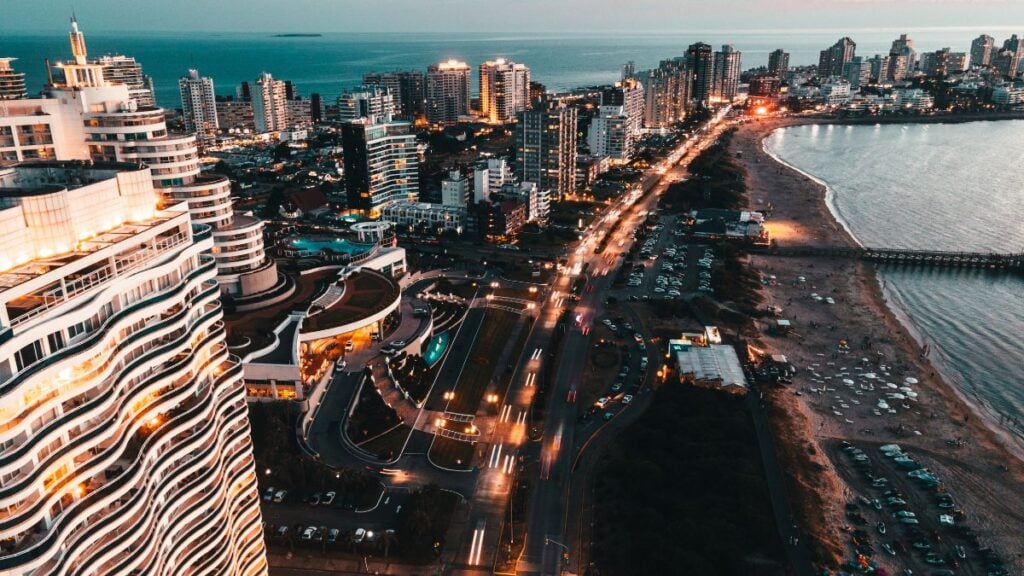
East of Montevideo sits Punta del Este, one of South America’s best-known seaside destinations. Its modern apartments, waterfront restaurants, marinas, and beaches have long attracted visitors from Argentina, Brazil, and other countries. International buyers have also helped shape its property market.
Punta del Este offers a more resort-oriented lifestyle than Montevideo. During summer, popular areas become busy with tourists, restaurants, events, and beach activities. Outside the main tourist season, some neighborhoods become noticeably quieter.
Retirees considering the area should pay particular attention to year-round living conditions. A neighborhood that feels lively in January may have fewer open businesses during winter. Apartment fees, seasonal rental prices, and transportation needs can also affect the budget.
For someone who enjoys beaches, restaurants, and a mixture of local and international residents, Punta del Este can be appealing. However, it should not automatically be considered a cheaper alternative to Montevideo.
Colonia del Sacramento Offers Historic Charm
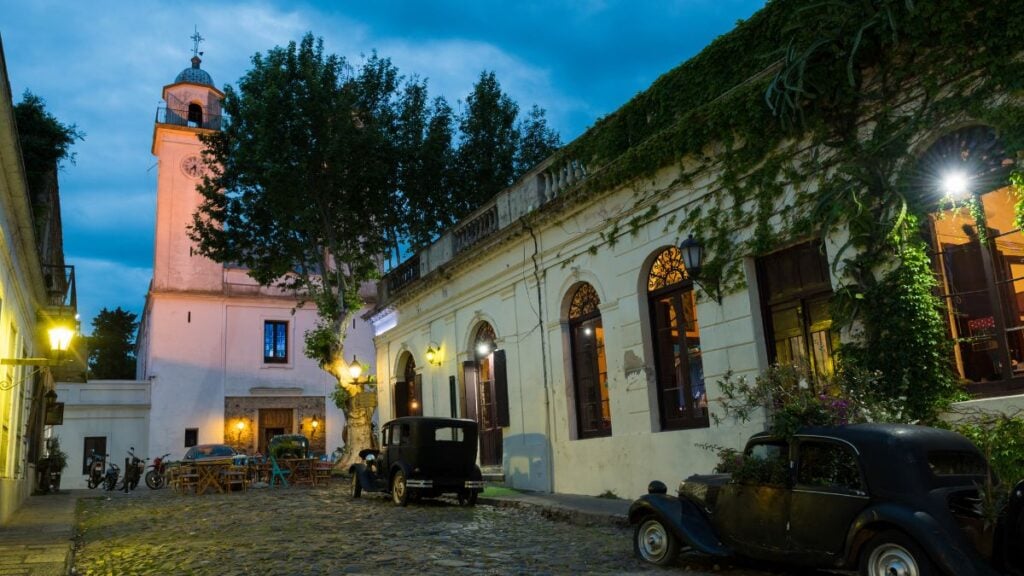
Colonia del Sacramento sits along the Río de la Plata, across the water from Argentina. Its historic district is recognized as a UNESCO World Heritage Site, reflecting its Portuguese and Spanish colonial heritage. Cobblestone streets, old buildings, and waterfront views give the city a distinctive atmosphere.
Compared with Montevideo, Colonia offers a smaller community and a less crowded environment. Residents can enjoy local markets, cafes, waterfront walks, and a more relaxed daily schedule. Its ferry connections with Buenos Aires also make travel to Argentina relatively convenient.
Housing options include modern apartments, traditional houses, and properties outside the historic district. Costs depend on location, condition, and proximity to the waterfront. Renovating an older property may involve expenses that are not immediately obvious.
Colonia may appeal to retirees who enjoy history, quiet surroundings, and smaller communities. However, access to specialized healthcare and certain services may require additional travel. Its charm is a strong attraction, but practical needs should still guide the decision.
Smaller Beach Towns Offer a Different Retirement Experience
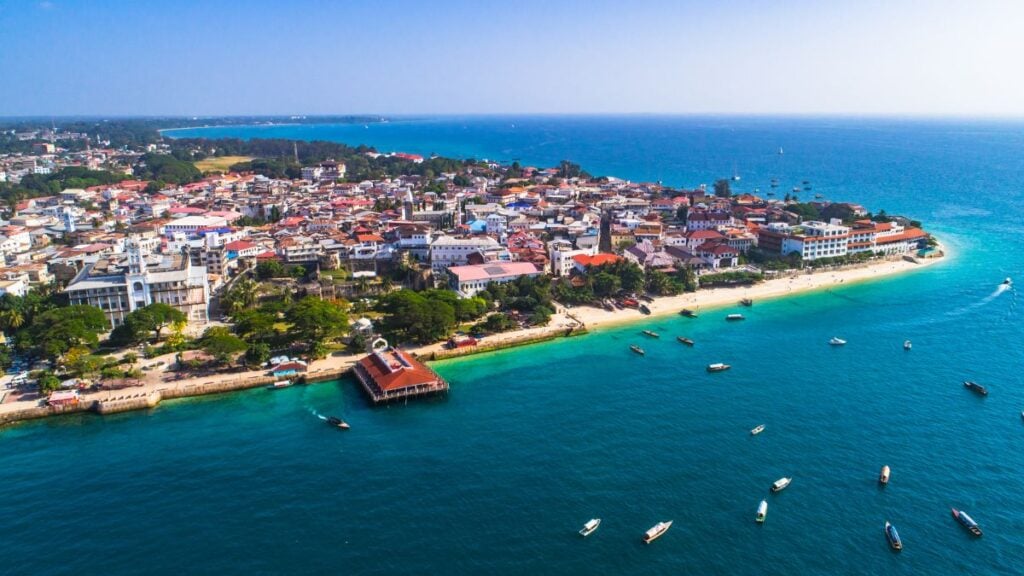
Beyond Punta del Este, Uruguay has smaller coastal communities such as Piriápolis, La Paloma, and Punta del Diablo. These towns offer beaches, modest residential areas, and access to outdoor activities. Some are considerably quieter than the country’s main resort destinations.
Piriápolis combines waterfront living with nearby hills and an established town center. La Paloma attracts people interested in beaches and a more relaxed coastal atmosphere. Punta del Diablo has a smaller seaside character and a strong seasonal tourism economy.
Housing may be less expensive in some of these locations, particularly away from the busiest tourist areas. However, lower housing costs do not always translate into lower total living expenses. Transportation, seasonal services, home maintenance, and medical travel can affect the overall budget.
For retirees comfortable with a slower pace and fewer conveniences, these towns may offer a rewarding lifestyle. Those who need frequent specialist appointments or prefer a large social network may find a bigger city more practical.
Comparing Uruguay’s Retirement Locations
| Location | Main Attraction | What Retirees Should Consider |
|---|---|---|
| Montevideo | Healthcare, culture, city services | Higher urban living costs |
| Pocitos | Beachfront apartments and walkability | Popular housing market |
| Carrasco | Quiet residential surroundings | Larger housing expenses |
| Punta del Este | Beaches and resort lifestyle | Seasonal crowds and prices |
| Colonia del Sacramento | Historic charm and river views | Smaller selection of services |
| Piriápolis | Relaxed coastal town | Transportation and seasonal changes |
| La Paloma | Beaches and quieter surroundings | Limited specialist healthcare nearby |
| Punta del Diablo | Small seaside community | Strong seasonal variation |
How Much Does Retirement in Uruguay Actually Cost?

Uruguay can cost less than many expensive American cities, particularly when housing expenses are reduced. However, it is generally one of the more expensive countries in South America. Groceries, electricity, imported products, and restaurant meals may cost more than newcomers expect.
Housing is often the biggest variable in a retirement budget. Some retirees find reasonably priced apartments outside prime neighborhoods, while others pay substantially more for beachfront properties. Apartment maintenance fees can also increase monthly housing costs.
A modest single retiree in Montevideo might plan around $1,700 to $2,700 per month, depending on housing and lifestyle. A couple could require roughly $2,300 to $3,800 or more. These are planning estimates rather than guaranteed costs, and individual healthcare expenses can significantly change the figures.
Sample Monthly Budget for One Retiree in Montevideo
| Expense | Illustrative Monthly Cost |
|---|---|
| One-bedroom apartment | $700–$1,100 |
| Groceries | $300–$450 |
| Electricity, water, and internet | $150–$250 |
| Healthcare | $120–$300 |
| Transportation | $50–$100 |
| Restaurants and entertainment | $150–$300 |
| Building fees and miscellaneous costs | $100–$250 |
| Estimated total | $1,570–$2,750 |
These figures are expressed in U.S. dollars and are intended for general planning in 2026. Rent, medical coverage, and utility bills can fall outside these ranges. Retirees should also budget for emergencies, international travel, and unexpected expenses.
A person who already owns a mortgage-free home may spend considerably less each month than someone paying rent. On the other hand, private healthcare, frequent travel, or a high-end neighborhood can raise expenses quickly. The best budget is one based on actual housing and medical quotes rather than advertised retirement averages.
Can You Live in Uruguay on Social Security?

Many U.S. citizens who qualify for Social Security retirement benefits can continue receiving payments while living in Uruguay. This makes the country a possible destination for retirees who depend on monthly benefits. However, payment eligibility depends on individual circumstances, especially citizenship and benefit type.
Whether Social Security covers retirement expenses depends on the size of the benefit and the lifestyle chosen. A couple receiving combined benefits of $3,000 per month may be able to cover a modest household budget. Someone receiving $1,400 a month would have much less flexibility, particularly when renting in Montevideo.
There is also a difference between receiving Social Security abroad and having every expense covered by it. Medical bills, trips back to America, currency movements, and unexpected repairs can affect the budget. A retirement plan should include savings beyond the monthly benefit whenever possible.
Important: Supplemental Security Income, or SSI, follows different rules from standard Social Security retirement benefits and generally cannot be collected while living abroad long term. Retirees should confirm their specific payment eligibility before relocating.
Uruguay’s Healthcare System Is Another Major Attraction

Uruguay has a mixed healthcare system with public and private providers. The country also has mutual healthcare organizations, commonly called mutualistas, that provide services through membership arrangements. These organizations are an important part of healthcare delivery.
Montevideo has major hospitals, specialist practices, diagnostic centers, and private medical facilities. This concentration can make the capital attractive to older adults who need regular appointments. Smaller towns may provide primary care but require travel for certain specialized treatments.
One important detail is that healthcare membership prices are not the same for every retiree. Age, eligibility, medical history, provider rules, and the type of coverage can influence what a newcomer can obtain. Older applicants should not assume that an advertised low monthly premium will apply to them.
Language is another consideration. Some medical professionals speak English, particularly in international settings, but Spanish remains the normal language for many appointments. Being able to explain symptoms and understand instructions can become especially important during an emergency.
American retirees also need to understand that Medicare generally does not cover routine healthcare outside the United States. Maintaining Medicare enrollment for possible future visits or a return home is a separate decision. Reviewing medical coverage before moving is essential.
Residency Is Possible, but the Process Requires Preparation
Uruguay provides routes for foreigners who want temporary or permanent residence. Applicants generally need identity documents, background checks, and evidence relevant to their residency category. Foreign records may also require official authentication or translation.
Unlike some countries, Uruguay allows qualifying foreigners to apply directly for permanent residence. Applicants do not necessarily have to complete three years of temporary residence first. Processing times vary depending on documentation, appointments, and individual circumstances.
Receiving residency also means dealing with practical requirements after arrival. Opening bank accounts, arranging healthcare, obtaining identification, and managing housing contracts can take time. Retirees who prepare their paperwork before traveling may avoid unnecessary difficulties.
Citizenship is a separate legal matter. Uruguay’s constitution provides potential eligibility for legal citizenship after three years of habitual residence for certain applicants with an established family in the country, or five years for qualifying applicants without one. These periods are not automatic guarantees of citizenship or a passport.
The Tax Advantages Need a Careful Second Look

Uruguay’s tax system has traditionally attracted attention from people receiving income or holding assets outside the country. Its treatment of foreign income differs from systems that tax residents broadly on worldwide earnings. However, the claim that all foreign income is automatically tax-free is misleading.
Rules affecting foreign investment income changed in 2026. Certain foreign-source investment earnings and capital gains may now be taxable for residents, while qualifying newcomers may have access to special tax treatment. Eligibility depends on residency status, the type of income, and the requirements of the applicable regime.
U.S. citizens also generally remain subject to American federal tax filing obligations while living overseas. Foreign residency does not automatically remove those obligations. Pensions, Social Security, investment accounts, and property transactions each need separate consideration.
Retirees with substantial savings or investment portfolios should seek advice from professionals familiar with both countries. A favorable tax arrangement for one person may not apply to another. Getting those answers before selling property or transferring investments can prevent expensive mistakes.
Is Uruguay Really One of the Safest Places to Retire?
Uruguay has a reputation for political stability and established public institutions. This can be reassuring to retirees who want predictable government services and a relatively stable social environment. However, political stability and personal safety are two different measures.
Crime remains a concern in parts of Uruguay, including Montevideo and several other populated departments. Armed robbery, theft, carjacking, and violent crime do occur. In 2026, the U.S. State Department advised travelers to exercise increased caution because of crime.
Neighborhood selection therefore matters. A comfortable apartment near shops and public transportation may feel very different from an isolated property with limited services. Retirees should investigate local conditions rather than assuming every community is equally safe.
Practical precautions remain important, including securing valuables, choosing reliable transportation, and being aware of surroundings after dark. Uruguay may offer many positive qualities, but no country can promise complete protection from crime.