
Many people think tiny living is the only cheap way to own a home. I thought so too. But when I got a real quote, a custom tiny house cost over $100,000. It’s frustrating. The affordable option costs more than a down payment on a regular house. I was in the same spot. I wanted to live small, but I was not willing to pay $100K for 300 square feet.
Why I chose a mobile home over a tiny house. It’s how I saved $60,000. I’ll show you the real numbers on the mobile home vs tiny house debate. I’ll also show you the shocking tiny house cost that 2025 builders don’t advertise.
1. The Tiny House Dream vs. The $100K Reality
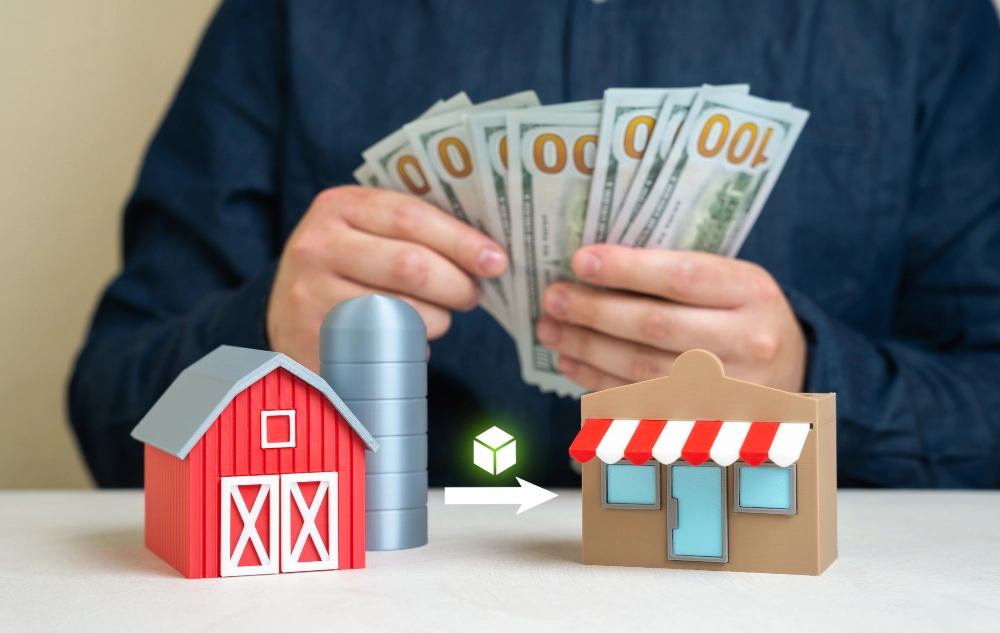
That’s the dream. But when I got a real quote, the dream met reality.
The tiny house cost in 2025 is not $25,000. That number is for a DIY build, where you provide 100% of the labor. When you look at professional builders, the prices are shocking. A 28-foot model from a popular builder like Tumbleweed starts around $85,000. Other high-end builders easily cross $140,000.
I found a Reddit thread that said it all: Why are the prices so outrageous? You might as well get a mobile home if it’s over 100k.
And that $100,000 price is just the beginning. It doesn’t include the hidden costs:
Land: You still need a place to park it.
Hookups: Connecting to water, sewer, and electricity is not simple. It can cost over $10,000.
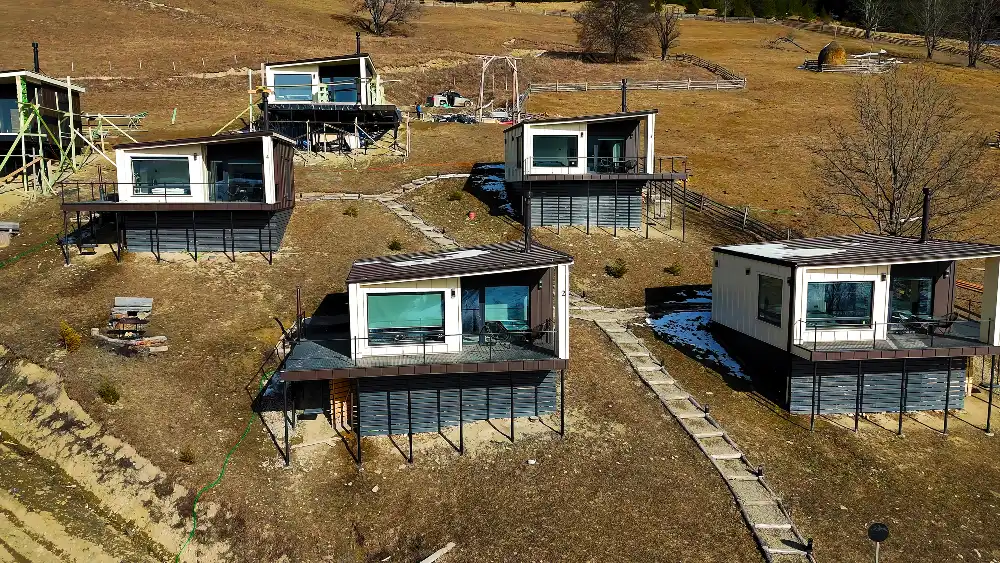
Zoning: This is the big one. Most cities don’t have legal tiny house zoning. You risk fines or being forced to move.
The Truck: That home isn’t portable unless you own a $60,000 truck to pull it.
I realized the portability was a myth. After paying for land and expensive hookups, I was never going to move it. I was about to pay $100,000 for a 300-square-foot room that was legally questionable. This frustration is what made me look for another option.
2. What a Mobile Home Is in 2025 (It’s Not a “Trailer”)

When I started looking for alternatives, I had the same problem you might. The term I was wrong.
First, you need to stop calling them trailers. The real name is manufactured home. And there’s a big difference. The manufactured home vs mobile home debate ended in 1976. That’s when the U.S. government passed the HUD Code.
This law changes everything.
The HUD Code is a national safety standard. Every manufactured home built since 1976 must meet it. It sets rules for:

Fire safety
Wind safety (they are built for your climate zone)
Insulation and energy efficiency

Electrical and plumbing systems
This means a new manufactured home is built to a strict, national code, just like a traditional stick-built house. They are not the trailers from 50 years ago.
So why is the cost of a mobile home so much lower? It’s simple. They are built 100% inside a factory. This is faster and creates less waste. There are no delays from bad weather. The factory buys materials in bulk. They pass those savings to you.
When I toured a new 2025 single-wide, it just looked like a modern, small home. It had real drywall, new appliances, and was built solidly.
3. The $60,000 Breakdown: Mobile Home vs. Tiny House Costs
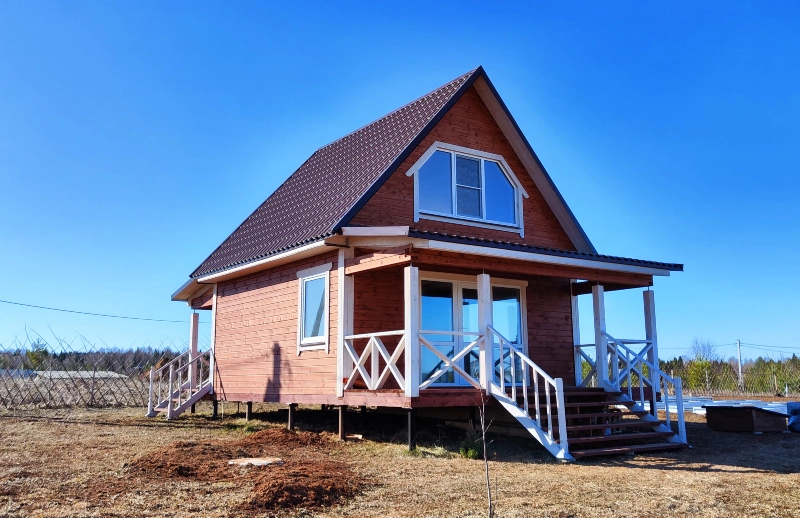
This is the most important part. Here is the exact math that made my choice clear.
I got a real quote for a 300-square-foot tiny home. The price was $95,000.
Then I went to a local dealer and looked at new single-wide manufactured homes. The cost of a 700-square-foot mobile home was $35,000.
You can do that math. It was a $60,000 savings.
The answer to Is a mobile home cheaper? was a clear yes. But the numbers get even crazier when you look at them side-by-side.
| Feature | Custom Tiny House (2025) | New Mobile Home (2025) |
| Purchase Price | $95,000 | $35,000 |
| Square Feet | ~300 sq. ft. | ~700 sq. ft. |
| Legal Status | RV / Grey Area | Legal Home (HUD Code) |
| Appliances | Small (RV-style) | Full-Size |
| Cost per sq. ft. | $316 | $50 |
And that $35,000 price isn’t a fantasy. You can check sites like MHVillage or visit local dealers in your state. New single-wides at this price are common.
In the mobile home vs tiny house debate, the numbers pointed to only one answer. I was getting less than half the space for almost triple the price. The choice was easy.
4. 3 Big Advantages of Mobile Homes (Besides the Price)

Saving $60,000 was the biggest factor. But these three benefits are what made the choice feel smart, not just cheap.
They Are Legal

This is the biggest win. Because manufactured homes are built to the HUD Code, cities recognize them as real homes. The legal fight over tiny house zoning is a nightmare. Most tiny homes on wheels are legally just RVs. This means in many towns, it is illegal to live in one full-time. I didn’t want to spend $95,000 on a shed I could be forced to move.
You Can Get a Loan

Try asking a bank for a mortgage on a tiny home. You can’t get one. You have to get a high-interest personal loan or an RV loan. Financing a mobile home is simple. You can get a chattel loan (like a car loan for a home) or even an FHA Title I loan. This makes them much easier to buy for regular people.
Real Livability

A tiny home is, well, tiny. Most are 8 feet wide. A single-wide mobile home is 14 or 16 feet wide. That difference is huge. It means I have a private bedroom with a door I can close. I have a full-size kitchen and a regular bathroom. I don’t have to climb a ladder to go to bed or use a compost toilet. It’s not a camping-style setup; it’s just a small, normal house.
5. What I Gave Up (The Honest Downsides)

I want to be honest about the downsides of mobile homes because you need to know about them.
First, I gave up the look. A mobile home does not have that cute, custom, Instagram-worthy style. A simple, rectangular house. You can remodel it, but the bones are not the same as a tiny, peaked-roof cabin.
Second, you have to think about depreciation. A mobile home on a rented lot will likely lose value, not gain it. This is a big trade-off. It’s a trade-off for the low entry price. I decided I was saving so much upfront that I was okay with it not being a high-return investment. (Note: This can be different if you buy a manufactured home and the land it sits on.)

Finally, you must account for mobile home lot rent. This is the new monthly bill. You own the home, but you rent the patch of land it sits on. In 2025, you can expect to pay anywhere from $300 to $800 a month for your spot. This fee covers the land, and sometimes trash pickup or sewer. You must decide if these trade-offs are worth the $60,000 savings. For me, they were.
