
I paid $65,000 for my tiny house and sold it for $30,000 two years later, and I’d do it again. You’re thinking about buying a tiny house. Those Instagram photos look perfect. But you want the truth about what happens when you actually live in 225 square feet.
The real reasons people sell tiny houses, the hidden costs that destroyed my budget, what changed in my life that made tiny living impossible, and how to know if a small house is right for you. This is the reality of tiny houses that no one talks about.
The Dream vs. The Reality
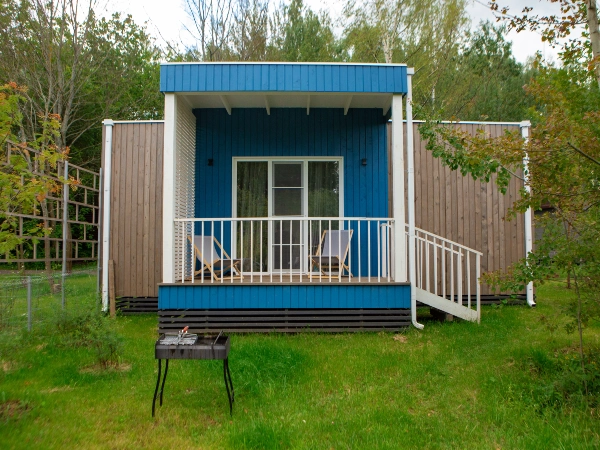
Why I Bought: Freedom Was Calling?
I bought my tiny house for financial freedom. No mortgage. No clutter. Just simple living. I wanted to save money and own something outright. The first month felt magical. I woke up in my loft. Made coffee in my compact kitchen. Everything had its place.
The Honeymoon Phase Ended Fast

By month six, winter trapped us inside 225 square feet. We couldn’t escape each other. Someone was always in the way. The tiny house living reality was cramped. Research proves it. One in three homeowners wishes they’d chosen a larger home. That’s downsizing regret talking.
The Breaking Point
I finally realized the truth when we had our third argument in one day about whose turn it was to leave so the other could work. Social media shows perfect mornings. They don’t show real life.
The Money Trap: Why My Tiny House Cost More Than Expected?

What $65,000 Didn’t Include?
Here’s what the $65,000 price tag didn’t include: land rental at $400 monthly, utility hookups at $3,000, and insurance at $1,200 yearly. Those hidden costs tiny house sellers never mention.
The Moving Nightmare

Zoning issues forced me to relocate. Professional movers charged $2,500. Just to tow it 50 miles.
Why I Lost $35,000?
Tiny house depreciation destroyed my investment. My home lost value like an RV. One owner paid $100,000 and sold it for $30,000 after the mold. I spent $79,400 total. Sold for $30,000. Lost $49,400. Renting an apartment would’ve cost $28,800 for two years.
The Space Problem Gets Worse With Time

The Kitchen Collision
I’m on a work call. My partner starts cooking dinner. Our elbows bump. He apologizes. I mute and move to the loft. There’s nowhere else to go.
Every Room Tells the Same Story

The 225 square feet felt fine alone. With two people, it was a different story.
Kitchen: One person cooks. The other waits outside.
Bathroom: Morning routines mean someone’s late for work.
Sleeping loft: Winter clothes stayed in bins under the bed year-round. No closet space.
When Life Changes Everything?
I started working from home. My partner got a dog. Tiny house space issues exploded. Living in 200 square feet works for singles. Couples barely manage. Add a baby? Research shows it’s impossible.
Organization Won’t Fix This
Better organization helps. But you can’t organize away the need for personal space. The mental toll of constant proximity broke us.
My Relationship Suffered in 225 Square Feet

The Thermostat War
He wanted the heater on. I was sweating. In a normal house, he’d go to another room. Here we argued for 20 minutes. Over temperature. Small conflicts became huge. Research shows families in small spaces argue 400% more. We proved it.
No Escape, No Privacy

Zero alone time destroyed us. I couldn’t decompress after work. He couldn’t have quiet mornings. Every mood affected the other person instantly. Hosting friends was impossible. Two guests made the space feel like a crowded elevator.
What Tiny House Blogs Won’t Tell You?
Tiny house relationships look cute online. The reality of a couple living tiny house was different. One night, we finally talked. “This isn’t working.” We both knew. The house was breaking us. We loved each other. We hated the space.
What Changed: Why I Had to Sell?

Everything Changed When…
Everything changed when my company went remote. Full-time work from home in 225 square feet. My partner’s schedule stayed the same. I needed quiet for video calls. He needed to live his life. We tried schedules. He’d leave during my meetings. I’d work from the parking lot. Nothing worked.
This Was Always Temporary

Most people who downsize move back to standard homes within a year. I lasted two. Outgrowing tiny house living isn’t a failure. It’s reality.
The Final Straw
My laptop died during a client call. No room for a proper desk. No backup space. I sat in my car for three hours finishing work. That night, I knew. It was time to sell the tiny house. I listed it the next morning.
Selling My Tiny House: The Reality Check

I Thought Selling Would Be Easy
I thought selling would be easy. I was wrong. Listed at $55,000. No calls for three weeks. Dropped to $45,000. One lowball offer. Finally sold at $30,000 after four months.
Why Tiny House Resale Value Tanked?
I had custom built-ins. The buyer wanted them removed. I had solar panels. The buyer wasn’t interested. Customizations limit your buyer pool instead of adding value. Average tiny home resale value hits $60,000. Mine didn’t. Selling a tiny house fast means accepting huge losses.
Depreciation Means Real Money Lost

Tiny homes depreciate like cars and RVs. Not real estate. I lost $35,000 in two years. That’s $1,458 monthly just in lost value.
The Day It Left
The buyer’s truck pulled into my driveway. Hooked up. Gone in 20 minutes. Two years of my life were torn away.
What I’d Tell My Past Self: Is a Tiny House Right for You?

If You’re Thinking About Buying a Tiny House…
Before buying a tiny house, ask yourself these five questions first:
- Are you single or planning to stay that way?
- Can you legally park it where you live?
- Will your job stay stable (no work-from-home changes)?
- Do you have backup housing if it fails?
- Can you lose $30,000 and be okay?
Who Should Buy?
Tiny homes work for budget-conscious single people who can handle zoning shifts. You need flexibility and backup plans.
Who Shouldn’t Buy?

Couples, families, remote workers, anyone with pets, and people who need personal space won’t think of buying them.
Better Alternatives
Try a 600-square-foot apartment. Or a small condo you actually own. Real estate appreciates. Tiny houses don’t.
Test First
Here’s how to test tiny living before buying: Rent a tiny house on Airbnb for one month. Winter preferably.
The Unexpected Gifts: What I Don’t Regret?

The Minimalism Mindset That Stuck
I learned that most possessions were just filling space, not adding value. The minimalist living lessons stuck: I still ask myself “Do I need this, or just want it?” before any purchase.
Skills and Recommendations for Aspiring Tiny Dwellers

I gained practical skills too, basic plumbing, electrical work, and creative storage solutions, which I use constantly now. I recommend tiny living, but only if you’re honest about your lifestyle needs and have a solid plan for land and utilities.
What I Actually Kept?
What I kept from the experience wasn’t the house itself, but something more valuable: the confidence that I can live well with less, and the clarity to distinguish between what truly matters and what’s just clutter, both physical and mental.
