
The average manufactured home sells for $123,300 in 2026, while the median single-family home costs $367,282, but there’s an even cheaper option many people consider: tiny houses. You want affordable housing. You’ve seen tiny houses all over social media, looking cute and inexpensive.
But mobile homes cost less per square foot and give you way more space. Which one actually makes sense for your money and your life? Real 2026 costs for both options, why mobile homes get financing when tiny houses don’t, space differences that matter for families, zoning laws that could block your tiny house, and which choice saves more money long-term.
The Price Tag Looks Different When You See The Whole Picture

Per Square Foot Pricing Hides The Truth
Mobile homes average $73,000, but tiny houses cost $200-$400 per square foot. A 120-square-foot tiny house runs $24,000-$48,000, almost nothing for your money. Single-wides cost $60,000-$90,000, double-wides $120,000-$160,000. Mobile homes average $87 per square foot versus traditional homes at $166.
What $140,000 Actually Buys You?

A 1,200-square-foot double-wide at $140,000 gives a family of four actual bedrooms and space to breathe. A 300-square-foot tiny house at $60,000 costs more per square foot and leaves you cramped. The cost of a manufactured home makes sense when you consider what you’re getting. Your kids get their own rooms. You get a full kitchen. Everyone has space to work and live.
Hidden Costs Add Thousands More
Don’t forget hidden costs. Building permits average $1,380. Foundations add $5,000-$8,000. Total manufactured home setup costs range $100,000-$300,000+, including land and installation. Your housing budget needs to cover the real numbers, not just the Instagram dream.
Space Matters More Than Instagram Makes You Think

The Square Footage Reality Check
Mobile homes range from 500 to 2,300 square feet. Tiny houses squeeze into 100-400 square feet. That’s not just numbers. Mobile homes offer 600-1,300 square feet for single-wides or 1,000-2,400 square feet for double-wides. You can fit actual furniture. Beds. Desks. A dining table that seats your family. Try putting a couch in 300 square feet while leaving room for anything else.
Where Does Everyone Actually Live?

Two kids in 300 square feet doesn’t work. Dad’s on a work call. Mom’s cooking. Kids need homework space. Add a dog. Now add guests visiting for the weekend. Modern mobile homes include 2-3 bedrooms, full kitchens, and laundry rooms. That’s not luxury. That’s a function. Family housing needs a bedroom count that matches real life.
Storage Needs You Don’t See Coming
Most people underestimate storage. Winter clothes, holiday decorations, tools, and sports equipment have nowhere to go. The living space in a tiny house looks cute and empty. Fill it with actual life, and you’re drowning in stuff with nowhere to put it.
Banks Will Loan You Money For A Mobile Home

Real Mortgage Programs That Actually Work
FHA Title I and II, Fannie Mae, and Freddie Mac offer manufactured home financing, the same programs traditional buyers use. Rates start around 6.75% in 2026. VA loans offer 100% financing. FHA requires 3.5% down. Some lenders accept credit scores as low as 540.
Tiny Houses Get Stuck With Expensive Loans
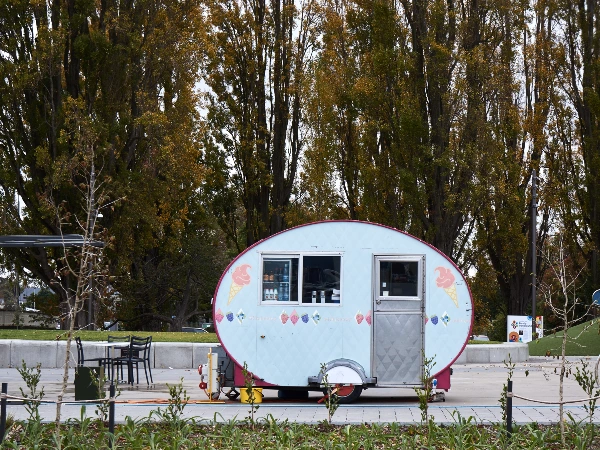
Tiny houses need personal loans or chattel loans; conventional mortgages don’t apply. Here’s what that costs: A $120,000 mobile home at 6.75% runs about $778 monthly. A $60,000 personal loan at 12% costs $667 monthly. Sounds better until you see the mobile home gives you four times the space and real mortgage options with better terms.
The Approval Process Makes Or Breaks Your Deal
Down payment requirements matter. FHA loans need 3.5%. VA needs zero. Personal loans for tiny houses often require 10-20% or more. Loan approval happens faster with established programs. Mobile home financing has clear paths. Tiny house financing makes you explain yourself to every lender.
Zoning Laws Block Tiny Houses But Welcome Mobile Homes

The Minimum Size Problem Kills Tiny House Dreams
Most zoning laws require 600+ square feet minimum; tiny houses don’t qualify. Tiny houses on wheels get classified as RVs, prohibiting full-time residential use. Many cities treat them as temporary structures, limiting placement. Building codes weren’t written for 200-square-foot homes.
Mobile Homes Skip The Legal Headaches

Mobile homes are HUD-regulated, resulting in fewer zoning issues and smoother placement. Housing laws already know what to do with manufactured homes. Mobile home parks have clear zoning regulations. You move in without fighting city hall. The permit process takes weeks, not years of arguments.
Only A Few Cities Actually Allow Tiny Houses
Only progressive cities like Fresno, Portland, and Rockledge have tiny house-friendly laws. You’re stuck explaining to zoning boards why your home should be legal. State-by-state tiny house restrictions force owners to move or face fines. Legal placement shouldn’t be this hard.
The Investment Numbers Tell The Real Story

Market Growth Shows Real Demand
The global tiny homes market is valued at $21.9 billion in 2024, expected to reach $29.9 billion by 2033. That’s growth, but check the manufactured home numbers. Manufactured home shipments climbed to 106,000 units annually by mid-2026. Manufactured housing occupancy rates sit around 90% with 7.7% rent increases over 12 months. Market trends favor proven housing that people actually rent and buy.
Where will Your Property Value Be in Five Years?

Mobile homes on owned land hold value better. Those on leased land depreciate. Put your manufactured home on land you own and watch resale potential stay stable. Tiny houses lose value fast unless they’re custom-built that find the right buyer. Real estate investment basics say land matters more than the structure. Mobile homes get both right.
Rental Income That Actually Works
Mobile home park ownership provides stable rental income with reduced vacancy rates. Investors see the numbers and buy in. You can rent a three-bedroom mobile home more easily than a 200-square-foot tiny house. Families need space. Space pays rent.
What Actually Works For Different Types of Buyers?

Match Your Home To Your Actual Life
Single person or couple: Tiny house works if you embrace minimalism. You own ten shirts. You hate clutter. You never host parties. That lifestyle choice fits 300 square feet. Families with kids: The Mobile home provides the necessary space. Two bedrooms minimum. Homework space. Room for toys and chaos. Family needs don’t shrink because Instagram says tiny is cute.
Work And Retirement Change Everything

Remote workers need the office space that mobile homes provide. Close your bedroom door for Zoom calls. Spread out papers. Retirees want comfort without maintenance burden. A mobile home gives you one-floor living, full amenities, and a community. Your housing decision should match your stage of life, not trends.
First-Time Buyers Get The Biggest Win
Mobile home financing makes homeownership accessible. Your buyer’s guide starts here: FHA loans with 3.5% down beat renting forever. You build equity. You own something. Common regrets? Choosing tiny because it looked cool, then realizing you need actual space to live.
The Hidden Costs Nobody Talks About

Land Costs Hit Before You Move In
Land costs vary wildly. Rural: $5,000-$25,000. Suburban: $30,000-$80,000. Urban: $100,000+. That’s before your home arrives. Mobile home lot rent in parks reduces upfront costs but adds monthly expenses. Expect $200-$800 monthly for the lot alone. Your total cost of ownership includes that forever. Tiny houses face the same land problem. You still need somewhere to put it.
Monthly Fees Add Up Fast

Utility hookups cost money upfront. Water, sewer, and electric connections run $5,000-$20,000. Then come monthly expenses: utilities, insurance, lot rent if applicable, and maintenance reserves. Budget $400-$1,000 monthly beyond your loan payment. Over five years, that’s $24,000-$60,000 in hidden costs. Month-by-month expense tracking shows where your money actually goes.
Set Up and Insurance Costs Surprise Everyone
Delivery and setup: $2,000-$14,000 for mobile homes. Permits add another $500-$2,000. Tiny house insurance requires RV, mobile home, or specialty coverage, often more expensive than regular homeowners insurance. Setup fees aren’t optional. Budget for reality or get stuck halfway through.
