
Have you ever woken up on a Monday morning and wondered why you are still working? You have spent decades building your career, paying bills, saving money, and waiting for the day when your time finally belongs to you.
But deciding when to retire is not always easy. Another year of work could increase your savings, yet it also means another year of putting certain dreams, relationships, and personal goals on hold.
The problem is that there will always be a reason to keep working. You might want a bigger savings account, a higher Social Security check, or simply the comfort of knowing another paycheck is coming.
1. Have You Stopped Putting Your Real Life on Hold?

There are seven days in a week, but someday is not one of them. Yet many Americans spend years promising themselves they will enjoy life once they retire.
Maybe you have always wanted to travel across the country, spend more time gardening, or visit relatives who live far away. Perhaps your dream is much simpler, like waking up without an alarm and enjoying a peaceful morning.
The problem is that retirement dreams can remain on hold for too long. You keep telling yourself that one more year of work will make everything better, even when your financial situation is already comfortable.
Of course, some people successfully combine working with the activities they love. But if your career keeps preventing you from doing things that truly matter, retirement deserves serious consideration.
Ask yourself: If you knew you had only ten healthy years ahead, would you still choose to spend another five of them working?
If your answer is no, that tells you something important. You may already have enough money, but you cannot save additional years of your life for later.
2. Would Leaving Work Give You More Time to Protect Your Health?

Working for several decades can take a toll on your body. Long hours sitting at a desk, stressful deadlines, poor sleep, and limited exercise can slowly affect how you feel.
Some people develop back pain or stiff joints after years of repetitive work. Others deal with constant stress, rising blood pressure, or exhaustion that makes even simple activities feel difficult.
Retirement will not automatically solve these problems. However, having greater control over your schedule may make it easier to exercise, prepare healthier meals, get enough sleep, and attend medical appointments.
Consider how much time you currently spend recovering from work. If your weekends are mostly about resting before Monday arrives, your job may be taking more energy than you realize.
You do not have to wait until your health becomes seriously affected. Taking action while you still have the strength and energy to enjoy retirement can make a meaningful difference.
Ask yourself: Would having control over your daily schedule help you take better care of your physical and mental health?
If the answer is yes, retirement could give you something that another paycheck cannot. Just make sure your healthcare coverage and ongoing medical needs are included in your retirement plan.
3. Have You Decided Whether Working Less Is Better Than Retiring Completely?

Many people assume retirement offers only two choices. You either keep working full time or leave your career completely.
But there may be another option worth considering. Some employers allow reduced hours, flexible schedules, remote work, or gradual retirement arrangements.
You might discover that working three days a week provides a better balance. It could allow you to keep earning money while gaining more time for personal activities.
Unfortunately, not every employer offers these arrangements. Certain jobs require fixed schedules, long hours, or responsibilities that cannot easily be reduced.
You can also review whether you are doing more than your position requires. Staying late every evening or accepting unnecessary responsibilities may no longer serve your long term goals.
The important thing is to explore your options before making a final decision. You should know whether reduced work would genuinely improve your life or simply delay the retirement you already want.
Ask yourself: Have you considered the realistic ways to work less and decided whether any of them would make you happy?
If the answer is yes, you are closer to making an informed retirement decision. You know whether a gradual transition or a complete departure makes more sense.
4. Would You Rather Spend More Time With Family and People You Love?

A career can provide financial security, personal pride, and a sense of accomplishment. But it can also consume hours that might otherwise belong to your spouse, children, grandchildren, and friends.
Think about the family gatherings you have missed because of work. Consider the friendships that became distant because everyone was too busy to make plans.
Those missed opportunities may seem small at the time. But as the years pass, many people begin to value shared experiences more than another promotion or salary increase.
Retirement can create room for weekday lunches, afternoon visits, family celebrations, and meaningful conversations. You no longer have to squeeze every important relationship into weekends and holidays.
This does not mean retirement will automatically improve your relationships. Strong connections still require effort, communication, and respect for other people’s schedules.
Ask yourself: If you stopped working tomorrow, would you genuinely enjoy spending more time with the people who matter most?
If your answer is yes, you already have an important reason to consider retirement. Your relationships may provide more lasting satisfaction than continuing a career you no longer enjoy.
5. Do You Know Exactly How You Want to Spend Your Retirement Days?

Many people spend years dreaming about retirement without planning what happens after their final day at work. They picture freedom, relaxation, and endless opportunities to do whatever they want.
But after the first few weeks, something unexpected can happen. Without deadlines, coworkers, and daily responsibilities, some retirees begin feeling restless or disconnected.
Work often provides more than income. It also gives people structure, social interaction, personal identity, and reasons to get out of bed.
Successful retirement requires replacing at least some of those benefits. You do not need a packed schedule, but having enjoyable activities and meaningful goals can make your days more satisfying.
Think about how you would spend an ordinary Tuesday six months after retiring. Would you exercise, volunteer, visit friends, work on hobbies, or learn something new?
A realistic retirement plan should include ordinary days, not just vacations. The real test is whether you can picture enjoying your new lifestyle after the initial excitement fades.
Ask yourself: Can you describe how you would spend a typical retirement week without feeling bored or lost?
If the answer is yes, you have already addressed one of the biggest lifestyle changes retirement brings. You are preparing for a new daily routine rather than simply escaping your current job.
6. Have You Calculated How Much Money You Actually Need Each Month?
Retirement is not just about reaching a certain age or savings balance. You need to know whether your available resources can realistically cover the lifestyle you want.
Start by examining your current spending. Housing, groceries, transportation, insurance, utilities, and medical expenses will still exist after your final paycheck.
Some expenses may decrease when you retire. You might spend less on commuting, work clothing, professional fees, and daily meals outside the home.
Other costs could increase, especially during the early years of retirement. Travel, hobbies, home improvements, and healthcare can add significant expenses to your budget.
Here is an example of what a monthly retirement spending plan might look like.
| Expense | Estimated Monthly Cost |
|---|---|
| Housing and property expenses | $1,200 |
| Groceries and household supplies | $650 |
| Utilities and communication | $350 |
| Healthcare and insurance | $750 |
| Transportation | $400 |
| Entertainment and hobbies | $450 |
| Travel savings | $400 |
| Miscellaneous expenses | $300 |
| Total | $4,500 |
These numbers are only an illustration. Your actual retirement budget could be much higher or lower depending on where you live, your health, and your lifestyle.
It is also important to plan for occasional large expenses. A new roof, major dental treatment, or replacing an old vehicle can quickly change your spending for the year.
Ask yourself: Have you calculated a realistic retirement budget that includes both everyday bills and occasional expenses?
If the answer is yes, you have a much clearer picture of what retirement will cost. That information is necessary before deciding whether your income and savings are sufficient.
7. Can Your Savings and Retirement Income Support That Budget?

Knowing your expenses is only half the financial picture. You also need to calculate how much money will be available after you stop receiving a regular paycheck.
For many Americans, retirement income comes from several sources. These may include Social Security, pensions, retirement accounts, personal savings, and sometimes part time work.
Compare the dependable income you expect with your estimated monthly expenses. Any difference must be covered through savings withdrawals or other income sources.
For example, someone who needs $4,500 each month but receives $3,000 in reliable retirement income has a $1,500 monthly gap. That means finding approximately $18,000 annually from savings or other sources before accounting for taxes and changing expenses.
A retirement account can help cover that difference, but withdrawals need careful planning. Market declines, inflation, taxes, and a retirement lasting 30 years or longer can affect how much money remains.
You should also review whether your investments match your retirement needs. Money required for near term expenses may need a different level of risk than money intended for later decades.
Ask yourself: Have you tested whether your income and savings can support your spending through a long retirement, including difficult financial years?
If your answer is yes, you have passed an important financial readiness test. You are making your retirement decision using actual calculations rather than simply hoping your money will last.
8. Have You Worked Out When to Claim Social Security?
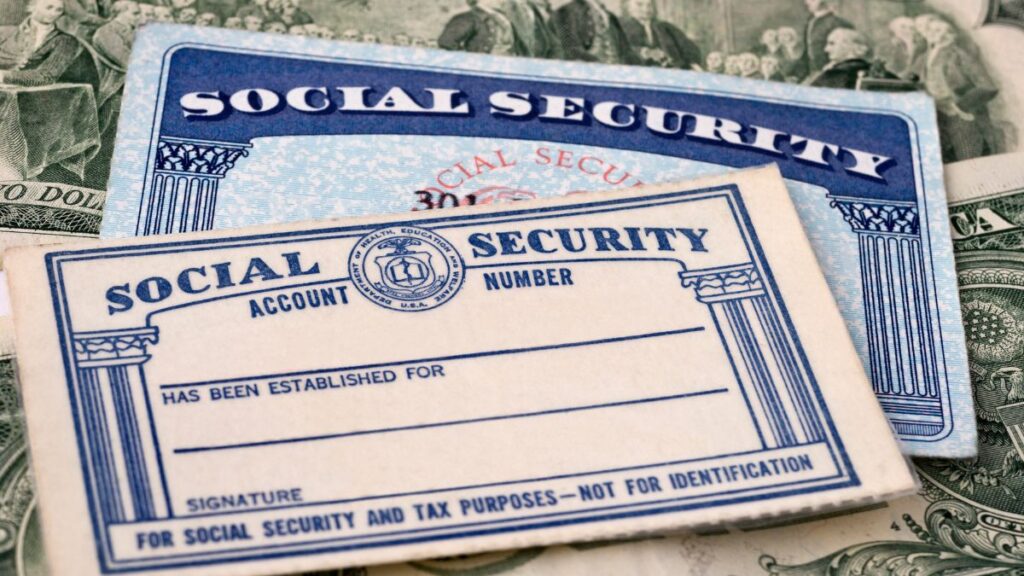
Social Security is one of the most important retirement income decisions many Americans make. The age when you begin collecting benefits can affect your monthly income for the rest of your life.
You can generally begin retirement benefits at age 62, but claiming that early permanently reduces your monthly benefit compared with waiting until full retirement age. For people born in 1960 or later, full retirement age is 67.
Waiting beyond full retirement age can increase your monthly retirement benefit until age 70. However, delaying also means going without those payments during the waiting period.
There is no single claiming age that works best for everyone. Your health, financial needs, marital status, other income, and expected longevity all deserve consideration.
Here is a simple comparison of the main options.
| Claiming Age | Main Advantage | Main Tradeoff |
|---|---|---|
| 62 | Benefits begin sooner | Permanently smaller monthly payment |
| 67 | Full benefit for people born in 1960 or later | Requires waiting longer than age 62 |
| 70 | Highest monthly retirement benefit | Must delay payments for additional years |
Married couples may also need to consider survivor benefits. A claiming decision that appears attractive for one spouse could create a different result for the surviving spouse later.
Retiring and claiming Social Security do not have to happen at the same time. You may be able to stop working while using savings or other income to delay your benefits.
Ask yourself: Have you compared your Social Security claiming options and chosen a strategy that fits your retirement finances?
If the answer is yes, you are less likely to make this important decision under pressure. You will know how Social Security fits into your larger retirement income plan.
9. Have You Secured Health Insurance for Your Retirement Years?

Healthcare is one of the easiest retirement expenses to underestimate. Leaving your job may also mean losing the employer health insurance you have relied on for years.
For most Americans, Medicare eligibility begins at age 65. If you retire before that age, you will generally need another source of health coverage until Medicare begins.
Possible options include coverage through a spouse, an Affordable Care Act Marketplace plan, or temporary continuation of employer coverage through COBRA. Each option comes with different costs, coverage rules, and eligibility requirements.
Even after Medicare begins, medical care is not automatically free. Premiums, deductibles, copayments, prescription drugs, dental treatment, and other expenses may still require money from your retirement budget.
You also need to consider your existing medical needs. A plan that looks affordable on paper may not be suitable if it does not cover important doctors, treatments, or medications.
Retiring without a clear healthcare strategy can put unnecessary pressure on your savings. An unexpected medical expense should not force you to abandon your retirement plans.
Ask yourself: Do you know exactly how your healthcare will be covered and what it is likely to cost after you leave work?
If the answer is yes, you have removed one of the biggest sources of uncertainty. Your retirement budget can account for healthcare instead of treating it as an unpleasant surprise.
10. Do You Have Enough Financial Protection for Unexpected Problems?

Even a carefully planned retirement can face financial surprises. Appliances fail, cars require repairs, family emergencies happen, and investment markets sometimes decline sharply.
During your working years, a regular paycheck can make those problems easier to manage. In retirement, unexpected expenses may require using savings that were intended to provide income for many years.
That is why having accessible emergency savings matters. Keeping an appropriate cash reserve can help you avoid selling investments during a market decline or taking on expensive debt.
Your reserve should reflect your personal situation rather than a fixed amount that works for everyone. Retirees with dependable pensions and low expenses may have different needs from those relying heavily on investments.
Debt also deserves attention before retirement. Credit card balances, personal loans, and large monthly payments can reduce the amount of money available for enjoying life.
You do not necessarily need to eliminate every mortgage or loan before retiring. However, you should be confident that your required payments fit comfortably within your expected income.
| Financial Area | A Strong Sign of Readiness |
|---|---|
| Emergency savings | Accessible funds for unexpected costs |
| Debt payments | Payments fit within your retirement budget |
| Investment risk | You can manage periods of market decline |
| Home repairs | Major maintenance costs have been considered |
| Inflation | Your plan allows expenses to rise over time |
| Taxes | You have estimated taxes on retirement income and withdrawals |
Ask yourself: Could you handle a major unexpected expense without seriously damaging your retirement finances?
If the answer is yes, your financial position may be stronger than you think. A retirement plan that can handle setbacks is generally more dependable than one that works only when everything goes perfectly.
11. Are You Emotionally Ready to Leave Your Career Behind?
This final question is easy to overlook because most retirement discussions focus on money. But leaving a career can be a major personal change, especially when work has shaped your identity for decades.
Perhaps you have been a manager, teacher, engineer, business owner, or healthcare worker for most of your adult life. Your professional role may influence how you see yourself and how other people interact with you.
After retirement, those familiar responsibilities may disappear. You will no longer have the same workplace recognition, daily conversations, or professional goals.
Some retirees welcome that freedom immediately. Others need time to create a new sense of purpose and become comfortable with a different daily routine.
The key is recognizing that your value does not disappear when your career ends. Your skills, knowledge, relationships, and personal interests still matter, even when you are no longer earning a paycheck.
Think about whether you feel excited about retirement itself or simply exhausted by your current job. Sometimes a career change, extended vacation, or reduced work schedule may solve the immediate problem without requiring permanent retirement.
Ask yourself: Are you genuinely ready to build a satisfying life outside work rather than relying on your career for identity and purpose?
If your answer is yes, you have addressed something money alone cannot solve. You are preparing for retirement as a meaningful new stage of life rather than merely the end of employment.
What Your Answers Reveal About Your Retirement Readiness
Now that you have considered all 11 questions, look at your answers as a whole. The goal is not simply to count how many times you said yes.
Some questions carry more immediate weight than others. Missing a hobby plan may be easier to address than retiring without health insurance or enough money to cover essential expenses.
Here is a practical way to interpret your answers.
| Your Answers | What They May Suggest |
|---|---|
| Yes to all 11 | You may be ready to set a retirement date after final checks |
| Yes to 8 to 10 | A few specific issues may need attention |
| Yes to 5 to 7 | More planning could improve your confidence and security |
| Yes to fewer than 5 | Review both your financial plan and retirement goals before deciding |
This is a personal reflection tool, not a scientific retirement readiness test. The number of yes answers cannot prove that retirement will be financially secure or personally satisfying.
What matters most is identifying the reasons you still hesitate. Some concerns may require months of preparation, while others could be resolved through a conversation with your spouse, employer, or financial professional.
